
Which Grants to Help Pay Vet Bills Can Help in an Emergency?
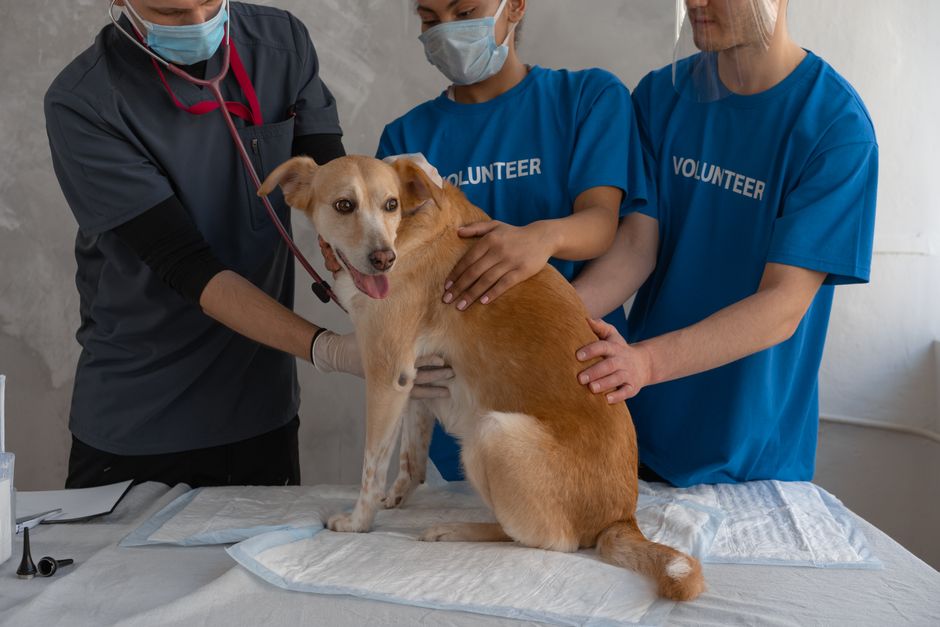
Grants to help pay vet bills can ease an emergency cost, but approval is not immediate or guaranteed, so do not delay urgent care while applying. Start by asking the clinic for a diagnosis, treatment plan, and itemized estimate, then check emergency-focused programs such as RedRover and Frankie's Friends. Ask the veterinarian about staged treatment and payment options, and apply to more than one suitable aid organization.
What do I do if my pet needs emergency care and I can’t afford the vet bill?
If your pet needs urgent care, contact or go to a veterinary clinic immediately and tell the staff what you can afford. RedRover explicitly says owners are responsible for seeking immediate care when delay puts an animal at risk. A grant application is a parallel funding step, not a reason to wait for treatment.
Use the first hour to get a clinical plan and establish what must happen now. Ask the clinic for a written diagnosis, a specific treatment plan, and an itemized estimate. Then say: “Please separate what is required to treat the immediate problem from what is recommended, and tell me what can safely wait.” That answer helps you avoid applying for money toward costs that a particular fund will not cover.
During the same day, ask whether treatment can be staged, whether there are alternative treatments, and whether the clinic has an internal hardship fund or payment arrangements. RedRover recommends discussing required versus recommended estimate items, alternate options, and payment arrangements with the veterinarian. It also suggests comparing estimates or checking a general-practice clinic when that is medically appropriate; do not substitute a cheaper option if the veterinarian says the delay or transfer would put your pet at risk.
By the next business day, follow up on applications and confirm that the clinic has the documents and payment details each fund needs. For a step-by-step companion guide, see What Should I Do If My Pet Needs Emergency Care and I Cannot Pay?
Are there grants that can help pay an emergency vet bill quickly?
Yes, RedRover and Frankie's Friends consider some urgent cases, but neither guarantees funding or makes a grant a substitute for immediate care. The right fit depends on the diagnosis, treatment plan, amount still needed, and whether the clinic can accept payment directly.
RedRover's Urgent Care Grants typically provide about $250–$300 to close a smaller funding gap. Applicants need a current veterinary diagnosis, a specific treatment plan, and an estimate from the treating veterinarian. The program does not cover exams or diagnostic testing; eligibility also requires the applicant and pet to live in the U.S., household income of no more than $60,000 per year, and a favorable treatment outcome. RedRover reviews applications in received order and says a reply can take 1–2 business days, with no guarantee of assistance.
RedRover says it generally cannot assist when $500 or more is still needed for treatment to begin or continue. That threshold makes the clinic conversation important: ask what portion of the estimate is essential now and whether another funding source can close the remaining gap. If the gap remains too large, an application can still be considered, but it should not be treated as a confirmed payment plan.
Frankie's Friends' National Fund considers lifesaving emergency or specialty care for family-owned pets when financial hardship prevents the owner from paying the full cost. Grants are capped at $2,000 per pet, per household, and are not guaranteed. Applicants need an estimate, clear diagnosis, specific treatment plan, and good prognosis from a licensed veterinarian. The fund excludes initial exams and diagnostic costs, pays the treating veterinarian directly, and does not reimburse payments already made. It also says it cannot help at hospitals with their own assistance programs, including Banfield, BluePearl, and VCA.
Use this comparison to screen for timing and fit before spending time on an application:
| Program | Emergency fit | Key limit or timing detail |
|---|---|---|
| RedRover Urgent Care Grants | Considers urgent care needs | Typical grant is $250–$300; reply may take 1–2 business days; generally cannot help if $500 or more is still needed for treatment to start or continue |
| Frankie's Friends National Fund | Considers lifesaving emergency or specialty care | Maximum $2,000 per pet, per household; pays the treating veterinarian directly |
| The Pet Fund | Not for emergencies | Supports non-basic, non-urgent care that is safe to postpone for its wait-list period |
How long do pet medical grants take to approve?
Approval time varies by program, and a stated response window is not a promise of funding. RedRover says it reviews applications in received order and that a reply can take 1–2 business days. It also says assistance is not guaranteed, so keep coordinating care with the clinic while you wait.
The Pet Fund is not an emergency option: it supports non-basic, non-urgent care that can safely be postponed for the current wait-list period. Applicants must first email the organization with a description of the pet's medical needs and wait for staff guidance; applications sent before that step will not be processed. Approved funding is paid directly to the treating veterinarian after approval and scheduling, and the organization does not reimburse completed or already-started procedures.
That difference is practical, not just administrative. If a veterinarian says treatment cannot safely wait, focus first on emergency-oriented aid and clinic arrangements. If care is non-urgent and can wait, follow The Pet Fund's initial email instruction before preparing a full application. Keep a single record of application dates, requested documents, clinic contacts, and any promised follow-up so the clinic and aid groups receive consistent information.
Can I apply for several vet-bill assistance programs at once?
Yes. RedRover says applicants can apply to more than one assistance organization, and applying to several suitable programs can help address a shortfall. Screen each program's rules first: a non-urgent wait-list fund is not useful for an emergency, and a fund that excludes exams or diagnostics will not cover those portions of the estimate.
Give each program the same accurate diagnosis, treatment plan, and estimate, and tell the clinic which organizations you have contacted. Ask each fund whether the grant would be paid directly to the veterinarian and whether it can coordinate with other aid. Do not assume you can pay the clinic now and receive reimbursement later: Frankie's Friends does not reimburse payments already made, and The Pet Fund excludes completed or already-started procedures.
For the remaining amount, ask the hospital about the three financial-triage options described by the American Animal Hospital Association: third-party financing, a clinic-based payment-over-time plan, or a clinic or client fundraising fund. Third-party financing requires an application to an outside financial institution; a clinic-based plan is something to ask the hospital about. RedRover also suggests asking family, friends, shelters, and rescue groups. The useful script is specific: “The grant may cover only part of this estimate. What payment options can we combine so treatment can proceed?”
Frequently Asked Questions
What can I do while I’m waiting to hear back about a grant?
Keep working with the veterinarian on the safest available treatment plan and ask which estimate items are required, whether care can be staged, and whether the clinic offers payment arrangements or a hardship fund. You can also apply to other suitable organizations and ask family, friends, shelters, or rescue groups for help. Do not wait for a grant decision if delaying care puts your pet at risk.
Will a grant pay the vet directly or reimburse me?
Frankie's Friends and The Pet Fund pay the treating veterinarian directly, and neither program reimburses costs already paid or procedures already started. Confirm the payment process with each fund before relying on it, and ask the clinic whether it can wait for an approved payment.
How can I cover the part of the bill a grant doesn’t pay?
Ask the clinic about third-party financing, a clinic payment-over-time plan, or a clinic or client fundraising fund. You can also ask family, friends, shelters, and rescue groups for help. Since grants may be limited and are not guaranteed, ask the veterinarian to identify the minimum treatment plan that addresses the urgent need.
Sources
Keep reading
What Should I Do If My Pet Needs Emergency Care and I Cannot Pay?
A practical emergency financial triage guide for pet owners facing urgent veterinary bills they cannot pay upfront.

How Can I Find Grants for Pet Surgery?
Grants for pet surgery vary by eligibility, urgency, and payment rules; apply promptly and pursue backup funding in parallel.

Can Anxiety Cause Chest Pain and How Can You Tell If It Is an Emergency?
A safety-first guide to anxiety-related chest symptoms, heart-attack overlap, emergency warning signs, and follow-up after assessment.
Should an Older Adult Foster a Cat Before Adopting?
Use short-term cat fostering to test companionship, safety, housing rules, daily care, backup help, and the cost of adoption.