
Should an Older Adult Foster a Cat Before Adopting?
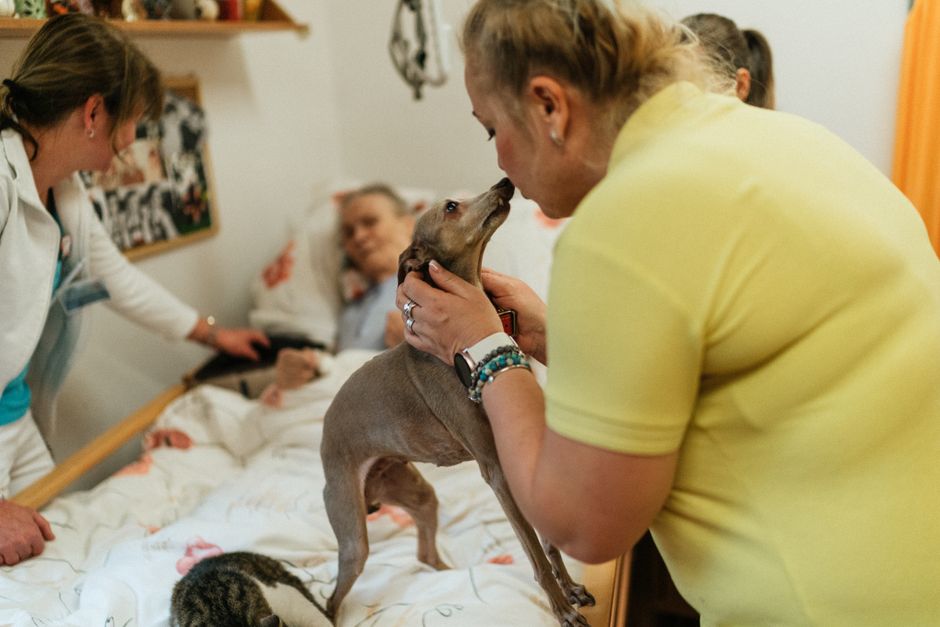
Yes. Short-term cat fostering gives an older adult and their family a lower-commitment way to test companionship, daily care, housing approval, fall hazards, and the long-term budget before adoption. Treat the foster period as a practical trial: confirm the housing rules in writing, set up a trip-resistant routine, identify backup care, and review which costs and veterinary support the foster organization covers.
Can an older adult foster a cat before deciding to adopt?
Yes, and a foster period works best when everyone treats it as a decision drill rather than a vague trial run. The question is not simply whether the cat is pleasant company. The question is whether the household can deliver safe, reliable care on an ordinary day and on a difficult one.
A 2023 feasibility study published in The Journals of Gerontology: Series B paired 29 adults aged 60 or older who lived alone and had no pet with shelter cats for at least four months, with an option to adopt. Twenty-three participants completed at least four months, and 95.7% of those completers adopted their cat. The program did not leave participants to improvise: it included a home-safety assessment, veterinary support, supplied food and litter, and monthly check-ins.
That support model is the useful part. Do not ask, “Could you manage a cat?” Ask, “Who provides food, litter, veterinary authorization, transport, and a return plan if this stops working?” Get answers before the cat arrives.
| Decision area | What to confirm before fostering | A useful question to ask |
|---|---|---|
| Housing | Lease permission, fees, deposits, and any building rules | “Can we have written approval for a foster cat before placement?” |
| Daily care | Who handles feeding, litter cleaning, play, grooming if needed, and supplies | “Which task becomes difficult if mobility is worse this week?” |
| Safety | Whether the cat, bowls, toys, and litter route create a tripping concern | “Can we keep the main walking path clear at all times?” |
| Backup | Who steps in during a planned or emergency absence | “Who can take over care without a last-minute scramble?” |
| Money | What the foster organization pays now and what adoption would shift to the household | “Which recurring and emergency costs would become ours after adoption?” |
Use the four-month question. At the end of the agreed foster period, review what happened instead of relying on sentiment alone. Which tasks felt routine? Which required help? What changed when the cat was underfoot, when supplies ran low, or when an appointment came up? A good match survives the calendar, not just the first week.
Are cats easier for seniors to care for than dogs?
Cats can be a more manageable fit than dogs for some older adults, but they are not no-work companions. The American Veterinary Medical Association describes cats as relatively low-maintenance and easily housetrained indoor pets, while also making clear that feeding, social interaction, exercise, play, and elimination care are daily needs.
The practical contrast is straightforward. A cat may remove the need for outdoor walks, but it replaces that task with an indoor care system that cannot be skipped. The litter box must stay very clean. Long- or thick-coated cats may need daily grooming. An adult cat may be a more workable foster choice than a kitten when a household cannot commit to extra litter-box training, socialization, feeding, and supervision.
Weak question: “Are cats easy?” Better question: “Can this household complete the cat’s daily tasks safely, every day?” That phrase keeps the focus where it belongs: capacity, not labels.
Fall risk deserves the same clear-eyed comparison. A CDC analysis estimated an annual average of 86,629 cat- and dog-associated fall injuries in the United States during 2001 through 2006. Dogs accounted for 76,223 estimated annual injuries, compared with 10,130 involving cats, but cat-related falls still matter: 85.7% occurred at home, and fall risk increased with age.
Do not turn that statistic into a guarantee that a cat is safe. The 2023 fostering study recorded one participant who tripped over a cat and fell without injury, and another who returned a cat after a bite during nail trimming. The right move is a home routine: keep bowls and toys out of main walkways, choose a litter location that does not force a difficult route, and decide in advance who handles tasks that require bending, lifting, or close restraint.
What help does a senior cat foster parent need at home?
A senior cat foster parent needs a defined support system for daily care, emergency absences, household safety, housing permission, and veterinary decisions. The support does not need to be elaborate. It does need to be specific enough that no one is guessing when a problem appears.
Start with housing. According to HUD, an ordinary pet can be subject to lease pet rules, fees, deposits, and local law. Get written confirmation from the landlord or housing provider before bringing home a foster cat. Assistance animals have separate Fair Housing Act considerations, but the person with a disability remains responsible for feeding, maintenance, veterinary care, and control personally or with help.
Next, make the support offer concrete. A family member or trusted helper can own one defined job: supply pickup, litter-box cleaning, transport, or coverage during appointments. “Call if you need anything” creates cognitive load. “I will restock food and litter every other week, and I can cover Tuesday appointments” creates a working system.
Then separate foster costs from adoption costs. Ask the shelter or rescue, in plain language: “Which supplies and veterinary care do you provide during fostering, and what would become our responsibility if we adopt?” The AVMA notes that pet expenses can add up to tens of thousands of dollars over an animal’s lifetime, including supplies, preventive visits, unexpected treatment, boarding or pet-sitting, and senior or end-of-life care. It recommends considering an emergency fund or pet insurance while a pet is healthy, because pre-existing conditions may not be covered.
That is not a reason to reject adoption. It is a reason to run the budget test before adoption. List the ongoing care categories, identify the person who approves unexpected spending, and decide whether the plan still works when veterinary care is not routine.
Companionship is a valid reason to foster, but it should not carry promises it cannot keep. In the 2023 study, adjusted UCLA loneliness scores decreased by 1.4 points from baseline to four months. The authors also cautioned that the study was small, had no control group, and was affected by the COVID-19 pandemic. A 2022 systematic review of pet ownership, loneliness, and social isolation found inconsistent evidence on loneliness across 24 observational studies. Treat a cat as a relationship and responsibility, not a prescription. If the conversation also includes ongoing anxiety symptoms, use a separate evidence-based discussion such as Can Caffeine Make My Anxiety or Panic Symptoms Worse? rather than expecting pet fostering to answer every health concern.
Run this week’s drill: before applying to foster, have the older adult and family each answer the same five questions: Is housing approved in writing? Who does each daily task? What route stays clear for walking? Who covers an emergency absence? What changes financially after adoption? If any answer is fuzzy, the next step is not adoption. It is making the plan usable.
Frequently Asked Questions
Can fostering a cat help an older person feel less lonely?
It can be a useful companionship trial, but it is not a guaranteed mental-health treatment. In a 2023 study of adults aged 60 or older living alone, loneliness scores decreased after four months of fostering, but the small study had no control group and cannot establish that fostering caused the change. A 2022 systematic review also found inconsistent evidence on pet ownership and loneliness.
What happens if an older foster parent cannot keep the cat?
The foster arrangement should give the family a clear route to return the cat to the shelter or rescue if the fit changes. Ask that organization before placement who handles transport, veterinary decisions, supplies, and a return caused by illness, mobility changes, or an emergency absence. In the 2023 older-adult fostering study, four participants returned cats before four months.
How can families assess whether a pet is safe for an older relative?
Walk the home with the cat’s likely routes in mind: entrances, hallways, nighttime trips, food bowls, toys, and the litter area. The CDC identifies animals and pet items as trip hazards, and cat-related falls in its analysis commonly occurred at home. Then assign specific daily tasks and confirm who takes over if the older adult cannot safely complete one.
Sources
- The Journals of Gerontology: Series B: Fostering a Shelter Cat to Improve Loneliness and Mental Health in Older Adults
- Centers for Disease Control and Prevention: Nonfatal Fall-Related Injuries Associated with Dogs and Cats
- American Veterinary Medical Association: Selecting a Pet Cat
- American Veterinary Medical Association: Financial Assistance for Veterinary Care Costs
- U.S. Department of Housing and Urban Development: Assessing a Person’s Request to Have an Animal as a Reasonable Accommodation
- Pet Ownership, Loneliness, and Social Isolation: A Systematic Review
Keep reading

Should a First-Time Dog Owner Get a Puppy or an Adult Dog?
Compare puppy and adult dog ownership for first-time owners, including training time, costs, rescue questions, and a practical readiness test.
What Should I Do If My Pet Needs Emergency Care and I Cannot Pay?
A practical emergency financial triage guide for pet owners facing urgent veterinary bills they cannot pay upfront.