
What Should I Do If My Pet Needs Emergency Care and I Cannot Pay?
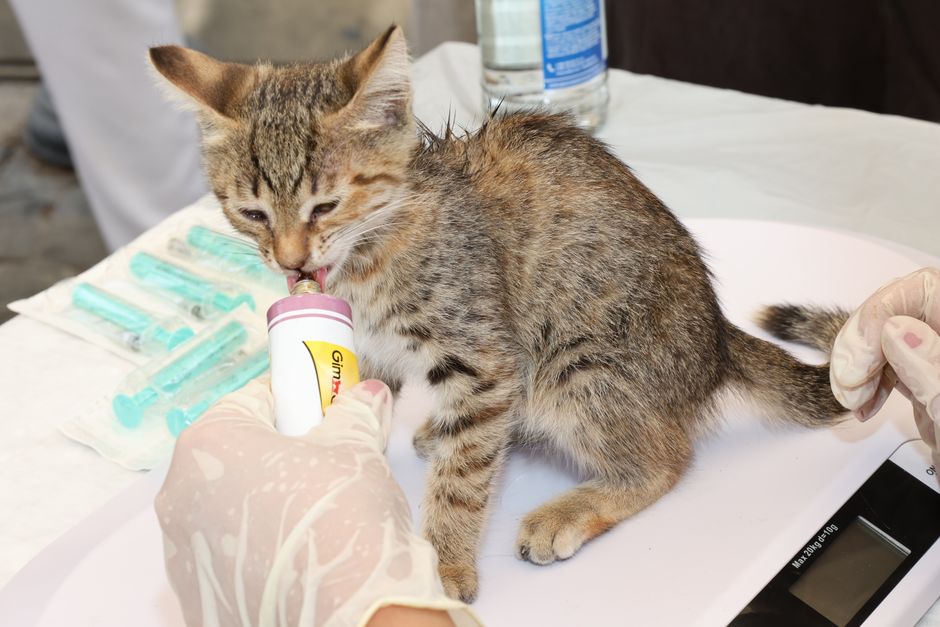
Get your pet evaluated without delaying urgent care, then ask the veterinarian for an itemized estimate, prognosis, and medically safe lower-cost options. Contact local shelters, humane organizations, veterinary colleges, and eligible grant programs while asking the clinic about payment arrangements. Treat financing as a repayment commitment, not free time: deferred interest can be charged back if the balance is not cleared by its deadline.
What should I do if my pet needs emergency care and I cannot afford it?
Start with the treating veterinarian. Say the constraint plainly before authorizing more than the immediate evaluation: “I want to treat my pet. I cannot pay the full estimate upfront. What care is medically necessary now, what can safely wait, and what are my payment options?”
This is the full-facts ask: diagnosis, prognosis, treatment plan, and cost in one conversation. The American Veterinary Medical Association says that an open discussion about financial constraints can support a personalized plan, because different care options can provide good results. Do not ask only, “What is the cheapest option?” Ask which lower-cost option remains medically safe for this pet.
- Call the veterinarian. Request a written, itemized estimate and ask what treatment must begin now versus what may be postponed safely.
- Call local support next. The Humane Society of the United States recommends nearby veterinary colleges, shelters, community clinics, rescue groups, and humane organizations as possible sources of limited emergency care or assistance funds.
- Apply with the clinic facts in hand. A grant program needs more than a distressing situation. It needs enough information to decide whether it can fund this case.
- Keep the medical decision separate from the money decision. If delay puts the animal at risk, seek care first; a grant application is not permission to wait.
That last point is explicit in RedRover's Urgent Care grant guidance: when a delay would put an animal at risk, the owner remains responsible for getting immediate care. Grants are a funding path, not a guarantee.
Use a simple call script to reduce repeat explanations: “My pet has a current diagnosis and estimate from the treating clinic. Do you have emergency assistance, and what documents and timing do you require?” This gives the recipient the information needed to route you quickly.
Can I ask an emergency veterinarian for a cheaper treatment plan?
Yes. Ask for a clinically appropriate lower-cost plan, not a vague discount, and request the trade-offs in plain language before you decide.
Use these questions: “What is the prognosis with the recommended plan?” “Is there another treatment that can still produce a good result?” “Which items are urgent today, and which can wait safely?” “Can you itemize the estimate?” The AVMA notes that a range of care options may provide good results. That gives you a productive opening: focus the conversation on outcome and timing, then cost.
| Ask for | Why it changes the decision | Words to use |
|---|---|---|
| Itemized estimate | Shows what the clinic is pricing and creates a usable document for aid applications. | “Please give me the written estimate by item and tell me what each item is for.” |
| Prognosis | Lets you weigh options based on the expected treatment outcome, not price alone. | “What outcome do you expect with this option compared with the recommended plan?” |
| Safe alternatives | Turns “I cannot afford this” into a concrete clinical decision. | “What is the least expensive medically safe option for my pet today?” |
| Second opinion | May reveal a less expensive, equally effective treatment when time and safety permit. | “Is my pet stable enough to get another estimate before treatment begins?” |
The Humane Society of the United States specifically advises getting a second opinion because another veterinarian may have a less expensive treatment that is equally effective. The condition matters: do this only when the pet is stable enough and the treating team says the delay or transfer is safe.
A second estimate is comparison work, not a confrontation. Compare the diagnosis, what each plan includes, the prognosis described, and whether each clinic can actually provide treatment on the needed timeline. If financial stress is making every decision feel urgent, keep human health decisions separate too; see Can Anxiety Cause Chest Pain and How Can You Tell If It Is an Emergency? for a separate guide on that question.
Do emergency vets offer payment plans?
Some emergency clinics offer payment arrangements or financing, but you cannot assume they do. Ask before authorizing care, because individual hospital policies and required deposits vary sharply.
The AVMA says many clinics offer payment plans, deferred payments, financing options, or credit plans, while noting that not every clinic can provide them. The University of Minnesota Veterinary Medical Center illustrates the other side: it states that it does not offer payment plans and requires payment when service is provided. For inpatient care, it requires a deposit equal to 75% of the high end of its initial estimate.
That is why the better question is not, “Do you take payments?” Use this: “Do you offer an internal payment plan, deferred payment, third-party billing, or financing? What deposit is due today, and when is the remaining balance due?” For hospitalized patients, ask when the estimate will be updated. Minnesota says it provides a preliminary low-to-high estimate for at least the first 24 hours and can update it daily.
Assistance programs have their own limits. RedRover says its urgent-care grants average about $250, are meant to close a small funding gap, and require a current diagnosis, specific plan, and estimate. Its eligibility includes an urgent illness or injury, a favorable treatment outcome, U.S. residence for the applicant and animal, and household income of $60,000 or less. It also cannot cover office exams, diagnostic testing, routine care, most completed treatment, or cases where $500 or more is still needed to start or continue treatment.
Clinic-based assistance can be equally specific. MSPCA-Angell says its emergency exam fee is $252 and that financial concern can allow deferral of that examination fee, but elective and diagnostic services cannot be billed later. Its financial assistance considers financial eligibility and prognosis, requires financial documentation, and is limited to one award per household.
Finally, read financing terms line by line. The Consumer Financial Protection Bureau explains that “no interest if paid in full” is deferred interest, not necessarily a standard 0% APR offer. If you do not pay the full promotional balance by the deadline, interest may be charged back to the purchase date; being more than 60 days late on a minimum payment can also trigger it. Calculate the monthly amount needed to clear the entire balance before agreeing, and make every minimum payment on time.
Your drill for today: save the call script, keep a folder for estimates and financial documents, and write one number beside any financing offer: the amount required each month to finish before the promotional deadline. Clear information reduces the next decision to the facts that matter.
Frequently Asked Questions
Which pet financial-assistance programs help with urgent veterinary care?
The Humane Society of the United States lists national organizations including RedRover Relief, The Pet Fund, Frankie’s Friends, and Help-a-Pet, while local shelters, rescue groups, humane organizations, and veterinary colleges may have their own funds. Eligibility and timing differ. For example, RedRover Relief Urgent Care grants average about $250 and require an urgent illness or injury, a current diagnosis, treatment plan, estimate, and other eligibility conditions.
Should I get a second estimate for my pet's surgery?
Yes, when your pet is stable enough for the time involved and the treating veterinarian says a transfer or delay is medically safe. The Humane Society of the United States says another veterinarian may offer a less expensive treatment that is equally effective, although you may pay another consultation fee. Ask the second clinic to price the same treatment plan and to explain any clinically appropriate alternatives.
What information do pet-care grants need before they can help?
Prepare the treating veterinarian's current diagnosis, specific treatment plan, and estimated cost, because RedRover requires these materials for its urgent-care application. Other programs can require proof of financial need; MSPCA-Angell lists a recent federal tax return, three consecutive pay stubs, or a recent W-2 for its assistance application. Apply early because some funds require an application before discharge and assistance is not guaranteed.
Sources
- American Veterinary Medical Association: Financial Assistance for Veterinary Care Costs
- Humane Society of the United States: Are You Having Trouble Affording Your Pet?
- RedRover: Relief Urgent Care Grants
- University of Minnesota Veterinary Medical Center: Payment Options
- MSPCA-Angell Animal Medical Center: Payments and Financial Assistance
- Consumer Financial Protection Bureau: Deferred Interest Credit Cards