
Should a First-Time Dog Owner Get a Puppy or an Adult Dog?
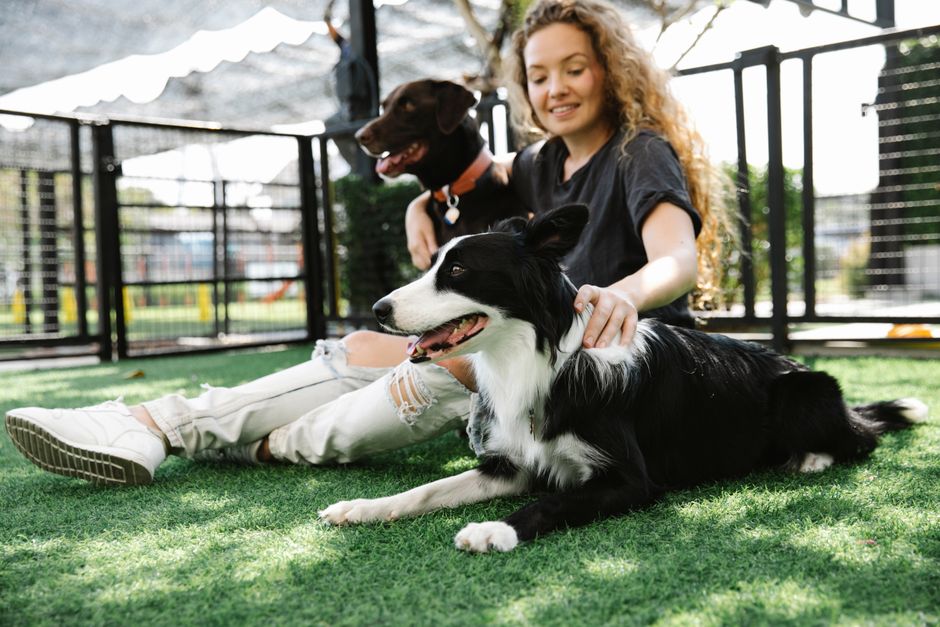
Most first-time owners should choose an adult dog when their workdays run long, their routine changes often, or they need a more predictable start. Choose a puppy only if the household can provide frequent toilet breaks, close supervision, training, and socialization during a narrow early window. The better choice is not the cutest option; it is the dog whose daily needs fit your actual calendar and budget.
Should a first-time dog owner get a puppy or an adult dog?
A first-time owner should get an adult dog when they need lower day-to-day training pressure and a clearer picture of the dog's established habits; get a puppy only when the household can reliably make room for intensive early care.
The American Veterinary Medical Association draws the operational line clearly: puppies need additional housetraining, socialization, obedience work, feeding, exercise, and supervision. Adult dogs are often already housetrained, know some basic commands, and generally adapt well to a new home. “Often” is the important word. An adult dog is not a zero-work dog; it is a dog whose starting point may be easier to inspect.
Use the Calendar Test. Look at a normal weekday, not an unusually free one. Mark work hours, commuting, after-work commitments, sleep, and anyone who can take over care. The AVMA specifically recommends considering workday length, obligations after work, exercise access, other pets, future living changes, and lifelong veterinary care before choosing.
| Decision factor | Puppy | Adult dog |
|---|---|---|
| Daily workload | Frequent feeding, exercise, supervision, housetraining, and early socialization | May arrive housetrained and with basic cues, but still needs daily care and an adjustment period |
| Predictability | Adult temperament and habits are still developing | History, foster notes, and repeated observations can give you more to work with |
| Training priority | Build toilet habits, basic obedience, and positive socialization from the start | Learn the dog's existing cues and address any known behavior needs consistently |
| First-year budget | Budget for routine care, supplies, training, and possible special costs | Budget for the same categories; adoption may include some initial services |
On cost, avoid the false bargain. The ASPCA's 2021 estimate put annual dog-care costs at $1,391 and one-time costs at $1,030, for a $3,221 first-year total before possible special costs such as grooming or dental care. That estimate does not split the total into puppy versus adult columns. Public data here does not support a precise claim that one route will always cost less.
Instead, ask what is included. Humane World for Animals notes that shelter or rescue adoption commonly costs less than buying or acquiring a pet for free once included vaccinations, spay/neuter surgery, microchipping, flea and tick treatment, and deworming are considered. Compare the included records and services, not just the entry price.
Are adult rescue dogs easier than puppies for new owners?
Adult rescue dogs are often easier than puppies for new owners because many already have household skills, but “adult” is not a behavior guarantee.
Shelters and rescues may have dogs already housetrained or accustomed to other animals or children. That can reduce the immediate workload. It does not erase the need to learn how this particular dog handles being alone, meeting strangers, walking past other dogs, being touched, or sharing valued items.
Use the Evidence Stack, not the single-score trap. The ASPCA says behavior assessments have not proved highly accurate or precise for predicting aggression after adoption. Ask for multiple views: previous-owner history, medical records, daily staff and volunteer observations, reactions on walks, dog interactions, and foster-home notes. The ASPCA identifies a foster-home stay as potentially the most accurate reflection of behavior in an adoptive home.
Ask the rescue these exact questions: “Was this dog surrendered or found as a stray?” “What do you know about housetraining, crate training, feeding, walks, sleep, and cues?” “What has the dog done around children, strangers, dogs, and other animals?” “Is there any bite history, resource guarding, separation anxiety, destructive chewing, or urination when left alone?” The American Kennel Club recommends these lines of inquiry because they turn a vague “good dog” description into a workable care plan.
Weak question: “Is the dog friendly?” Strong question: “What have you observed when the dog meets unfamiliar people on a walk, and where was that observed?” The second question lowers your decision risk because it asks for setting and behavior, not a label.
How much time does a puppy need compared with an adult dog?
A puppy needs substantially more hands-on time than an adult dog, especially for toilet training, supervision, and socialization during the first months.
Humane World for Animals recommends taking a puppy outside at least every two hours, particularly after waking, playing, eating, or drinking. Its guidance says housetraining commonly takes four to six months and offers a practical rule: a puppy may generally hold its bladder for about one hour per month of age. A three-month-old puppy may need a toilet break every three hours.
That is why the Away-From-Home Test matters. If everyone will be away more than four or five hours daily, Humane World for Animals says to reconsider whether this is the right time for a puppy; an older, housetrained dog may fit better. This is not a character test. It is a coverage problem.
Puppies also have a time-sensitive socialization job. The AVMA says the best time to begin socialization is between 3 and 14 weeks, when puppies are especially open to learning about people, animals, places, and activities. Build a gradual plan with a veterinarian, use praise, play, and treats, and let the puppy withdraw when uncomfortable. Until fully vaccinated, keep the puppy away from animals with unknown vaccination status and places those animals may have visited, including outdoor parks.
An adult dog still needs daily feeding, exercise, play, grooming, elimination opportunities, and companionship. The workload is different: less developmental scheduling, more routine-building and observation. If your capacity is already strained by stress, treat that capacity honestly; practical routines matter alongside the concerns covered in Can Caffeine Make My Anxiety or Panic Symptoms Worse?.
Run one drill this week before applying: write your next seven days on paper, then assign every meal, walk, toilet break, training session, socialization task, and backup caregiver. If the puppy version has blank spaces, choose an adult dog or wait. If the adult-dog version has blank spaces, solve the care plan before bringing any dog home.
Frequently Asked Questions
Can an adult rescue dog bond with a new owner?
Yes. The American Kennel Club describes a practical adjustment pattern of roughly 3 days for decompression, 3 weeks to learn routines, and 3 months to bond and settle, while noting that every dog varies. Give the dog a consistent feeding, walking, and resting routine instead of expecting its permanent behavior on day one.
What behavior problems should I ask about before adopting an adult dog?
Ask about bite history, resource guarding, separation anxiety, destructive chewing, urination when left alone, handling sensitivity, and behavior with children, strangers, dogs, and other animals. Ask for previous-owner information, staff observations, walk notes, medical records, and foster-home observations; the ASPCA says one assessment alone does not precisely predict aggression after adoption.
How do I know whether I am ready for puppy training?
You are ready when someone can handle frequent outdoor trips, active indoor supervision, feeding, short training sessions, and safe socialization every day for months. If the household is away more than four or five hours a day, Humane World for Animals advises reconsidering whether this is the right time for a puppy and considering an older, housetrained dog instead.
Sources
- American Veterinary Medical Association: Selecting a Pet Dog
- American Veterinary Medical Association: Socialization of Dogs and Cats
- Humane World for Animals: How to Potty Train Your Dog or Puppy
- ASPCA: Position Statement on Shelter Dog Behavior Assessments
- ASPCA: Cutting Pet Care Costs
- American Kennel Club: Questions to Ask When Getting a Dog From a Rescue Shelter
- Humane World for Animals: Adopting From an Animal Shelter or Rescue Group
Keep reading
Should an Older Adult Foster a Cat Before Adopting?
Use short-term cat fostering to test companionship, safety, housing rules, daily care, backup help, and the cost of adoption.

What Should I Do If My Pet Needs Emergency Care and I Cannot Pay?
A practical emergency financial triage guide for pet owners facing urgent veterinary bills they cannot pay upfront.