
How Can I Find Grants for Pet Surgery?
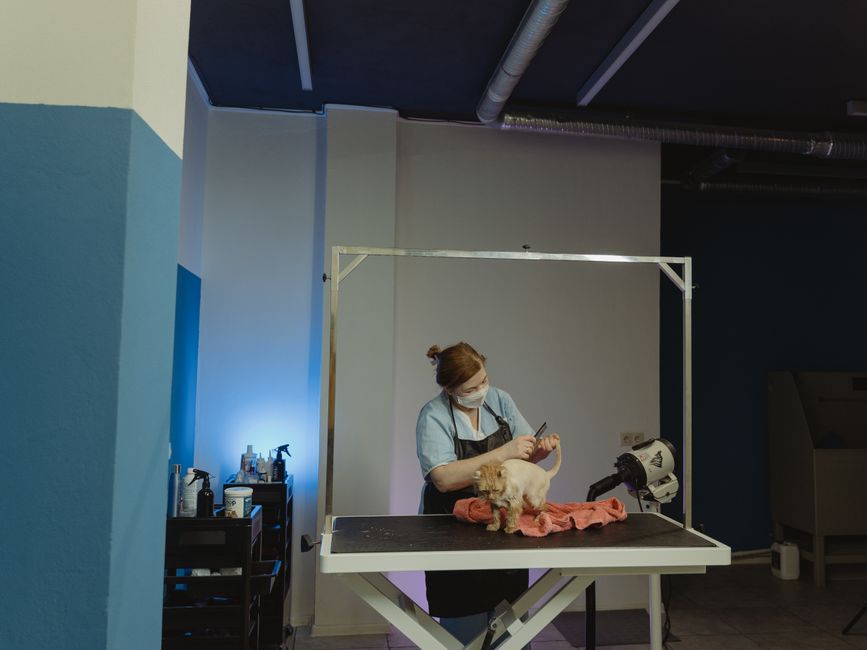
Grants for pet surgery can help cover part of a veterinary bill, but eligibility, urgency rules, payment timing, and covered procedures vary by program. Get a written estimate and diagnosis from your veterinarian, then contact suitable local, national, or condition-specific funds promptly. Ask whether approval must come before treatment and whether payment goes to the clinic; pursue clinic arrangements, financing, or fundraising in parallel if care cannot wait.
What if you can't afford your pet's surgery?
If you can't afford your pet's surgery, ask the veterinarian for a written estimate, the treatment plan, and an explanation of what must happen now versus what can safely wait. The American Veterinary Medical Association recommends discussing care options and costs openly with the veterinarian. That conversation gives you practical information to use in grant applications and lets the clinic explain available payment arrangements.
For an urgent case, move on two tracks: arrange the care the veterinarian says cannot wait, and contact funding sources at the same time. RedRover Relief says it is the owner's responsibility to seek immediate care when delay puts an animal at risk. Its Urgent Care grants average about $250 and are intended to fill a small funding gap, so they may not solve a large bill on their own.
Before applying, ask each organization three direct questions: “Does this program cover this procedure?” “Must approval come before treatment?” and “Do you pay the clinic or reimburse me?” The answers determine whether an application can help with the current bill. For emergency-care steps and options, see What Should I Do If My Pet Needs Emergency Care and I Cannot Pay?
What should I do if my dog's surgery is more than I can afford?
If your dog's surgery costs more than you can afford, request a breakdown of the estimate and ask the clinic which costs are essential now, which can be scheduled later, and whether it offers payment plans or deferred payments. The AVMA notes that some clinics offer payment plans, deferred payments, or financing, although availability varies. A written breakdown also makes it easier to explain the funding gap to a grant program or donors.
Apply to more than one suitable aid source rather than waiting for a single decision. Best Friends Animal Society recommends contacting multiple sources because one program may not cover the full veterinary bill. Its guide points readers toward state and local resources, national organizations, condition-specific funds, and breed-focused programs. Compare those possibilities against the procedure and the time available; some funds are for non-urgent treatment, while others address urgent care.
Use this shortfall plan while applications are pending:
- Ask the clinic: “Can you offer a payment arrangement, and what is due before treatment?”
- Compare financing: Check fees, required payments, and the total repayment terms. CareCredit warns that deferred-interest financing can accrue interest from the purchase date and charge it if the promotional balance is not paid by the deadline.
- Consider fundraising: Explain the diagnosis and share a transparent breakdown of surgery, medication, and aftercare costs. GoFundMe says it deducts a transaction fee of 2.9% plus $0.30 per donation; bank transfers can take several business days, so confirm the timing against the clinic's deadline.
Do not treat a possible grant as guaranteed money. RedRover says applications are reviewed in the order received and a reply can take 1–2 business days; assistance is not guaranteed. Build the plan around the clinic's actual timeline, not an assumed approval date.
How do I find grants for pet surgery near me?
To find grants for pet surgery near you, search by location, procedure, and urgency, then verify each program's current rules on its own site. Location can determine which state or local funds apply, while the eligible procedure can rule out a program that supports only particular types of care. Best Friends Animal Society's resource guide is one starting point for identifying local, national, condition-specific, and breed-focused assistance.
Use focused searches such as “pet surgery financial assistance [state],” “veterinary grant [condition],” or “humane society veterinary assistance [city].” Then ask your veterinarian, local veterinary associations, or humane organizations about other resources. The AVMA specifically recommends checking with local veterinary associations or humane organizations and confirming current eligibility and application rules.
Compare programs by fit, not just by the word “grant.” The Pet Fund supports non-basic, non-urgent care and says its wait list makes it unsuitable for emergencies. RedRover focuses on urgent care but says it cannot assist when $500 or more is needed for treatment to begin or continue. Frankie’s Friends offers eligible emergency or specialty-care grants up to $2,000 per pet per household, but grants are not guaranteed and some costs, including initial exams and diagnostics, are excluded.
| Program | Useful fit check | Payment or timing detail |
|---|---|---|
| RedRover Relief | Urgent care; listed household-income ceiling is $60,000 per year, and the applicant and animal must live in the United States | Average grant about $250; generally cannot help if most or all treatment has happened |
| The Pet Fund | Non-basic, non-urgent care that can safely wait | Up to $500; paid directly to the veterinarian after approval and scheduling |
| Frankie’s Friends | Eligible emergency or specialty care with a good prognosis | Up to $2,000 per pet per household; direct payment to the veterinarian |
These figures and rules come from the programs' published information and may change. Confirm current eligibility, coverage, deadlines, and payment procedures before relying on a listing.
What documents do I need to apply for a pet surgery grant?
To apply for a pet surgery grant, prepare the documents the program requests; commonly needed items include a current veterinary diagnosis, treatment plan, written estimate, proof of financial need, and clinic contact information. Requirements vary, so use the organization's current checklist rather than assuming one application packet fits every program.
Build a compact application file with:
- Diagnosis and prognosis: Ask the veterinarian to state the diagnosis and expected outcome. Frankie’s Friends requires a clear diagnosis, specific treatment plan, and good prognosis determined by a licensed veterinarian.
- Written estimate: Request a current cost estimate with the proposed treatment and relevant costs itemized. RedRover requires a veterinary diagnosis, treatment plan, and estimate.
- Clinic details: Record the treating veterinarian's name and the clinic's address and contact information. The Pet Fund also requests the veterinarian's medical license number.
- Proof of income or need: Have recent documentation ready if requested. The Pet Fund lists a recent check stub or benefit statement as examples of proof of income.
- Timing and payment answers: Note when treatment must begin, whether it has started, and who will receive the funds. The Pet Fund and Frankie’s Friends say they pay veterinarians directly and do not reimburse already-paid bills.
Send a complete application and answer requests quickly. RedRover reviews applications in received order, and its reply may take 1–2 business days. A concise note can make the situation clear: “Attached are the diagnosis, treatment plan, estimate, and requested income documentation. The clinic says treatment must begin by [date]; please confirm whether this program can pay the clinic in time.”
Frequently Asked Questions
Can I get a grant if I am not considered low-income?
Possibly, but each program sets its own eligibility rules. Some assess financial need, while others also focus on the diagnosis, treatment type, urgency, prognosis, or location. Check the current requirements directly before spending time on an application.
Can a pet surgery grant pay for surgery that has already happened?
Some programs do not reimburse owners for bills they have already paid, and others may be unable to help once treatment has begun. The Pet Fund and Frankie’s Friends say they do not reimburse already-paid costs. Confirm timing rules with each program before treatment when it is safe to do so.
How can I raise money for my dog's surgery if a grant does not cover the full cost?
Ask the clinic about payment arrangements, compare veterinary financing terms, and consider crowdfunding with a clear diagnosis and itemized cost breakdown. Best Friends Animal Society recommends contacting multiple aid sources because one source may not cover the whole bill. Check deadlines, fees, and repayment costs before relying on any option.
Sources
Keep reading
What Should I Do If My Pet Needs Emergency Care and I Cannot Pay?
A practical emergency financial triage guide for pet owners facing urgent veterinary bills they cannot pay upfront.

Who Approves Food Labels When You Outsource Packaging?
A practical approval workflow for small food brands using co-packers, designers, and label suppliers without losing control of compliance.

How Do I Compare London Construction Quotes and Choose a Qualified Contractor?
Compare London renovation quotes, check contractor credentials and use written terms to control costs before work starts.

How to Calm Anxiety Fast: What Can I Do Now?
To calm anxiety fast, get somewhere safe, ground yourself, breathe gently if comfortable, and seek urgent help for severe or dangerous symptoms.