
How to Calm Anxiety Fast: What Can I Do Now?
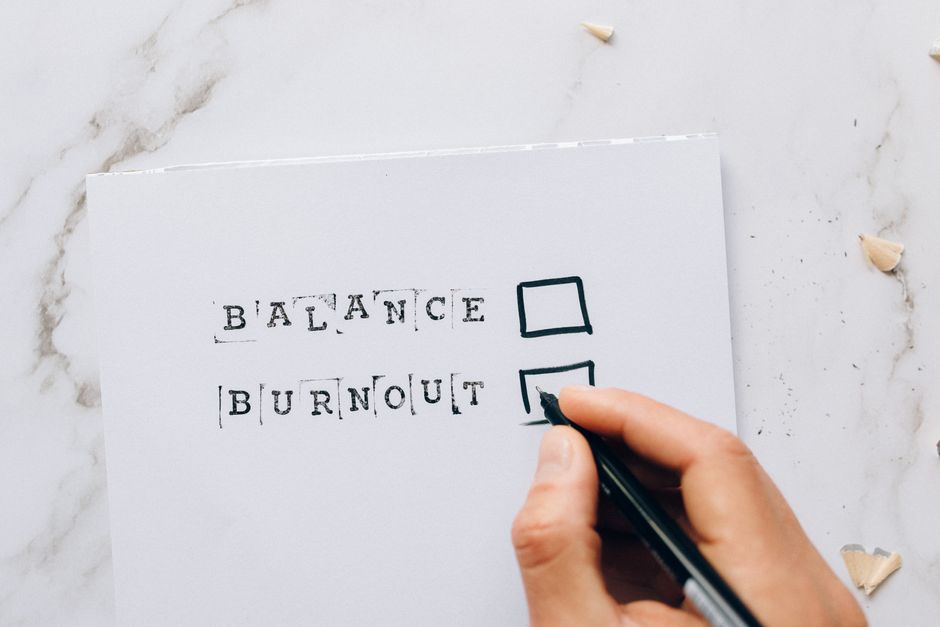
To calm anxiety fast, move somewhere safe, name what is happening, and orient to the room. Try gentle, slow breathing if it feels comfortable, then release muscle tension and choose one small next action. If breath focus makes symptoms worse, use sensory grounding or gentle movement. Treat severe, new, or dangerous symptoms as a possible medical emergency rather than assuming they are anxiety.
How can I calm my anxiety ASAP when my heart is racing?
Start by making the next few minutes smaller. The NHS advises staying where you are if possible, breathing slowly and deeply, and reminding yourself that the attack will pass. A panic episode often lasts 5–20 minutes, though it can last longer; the NHS says some may last up to an hour.
Use this short sequence as a guide, not a test. Skip or change any step that increases distress.
| Time | Action | Purpose |
|---|---|---|
| First minute | Move to a safe place if needed. Sit or stand somewhere steady. | Reduce immediate demands and avoid adding a safety problem. |
| Second minute | Name the room: identify a few objects, sounds, and points of contact with the floor or chair. | Bring attention to what is present around you. |
| Third minute | If comfortable, breathe gently and slowly. Do not force deep breaths. | Follow the NHS suggestion to slow the breath without turning it into a strain. |
| Fourth minute | Unclench the jaw, lower the shoulders, and loosen the hands. | Release muscle tension one area at a time. |
| Fifth minute | Choose one small next action, such as sitting down or contacting someone supportive. | Keep the task manageable rather than trying to solve everything at once. |
These steps organize the NHS guidance into a usable order; they do not promise that symptoms will stop on a schedule. Panic can include a racing heartbeat, chest pain, shortness of breath, dizziness, trembling, nausea, and tingling. The NHS notes that similar symptoms can also have other causes, so the label “anxiety” is not enough to rule out a medical problem.
If breathing exercises feel uncomfortable, shift attention outward. Name objects by color, listen for distinct sounds, notice the pressure of your feet on the floor, or walk gently if it is safe. Naming the emotion in plain language—“I feel frightened” or “this is a surge of anxiety”—can also make the next step concrete. Familiar music or peaceful imagery can give attention somewhere steady to rest.
What can I do right now if I feel an anxiety attack starting?
If an anxiety attack feels as if it is starting, pause the next demand and use one manageable coping action at a time. You do not need to perform every technique; select the one that feels least difficult and stay with it briefly.
Try a simple stretch: ease the shoulders down, open and close the hands, or gently move the neck within a comfortable range. Stop if movement causes pain or worsens symptoms. A brief stretch is a way to shift attention and release tension, not a treatment guarantee.
Use words to interrupt the rush of interpretation. Say what is known: “My heart is racing,” rather than predicting what the sensation means. The NIMH explains that anxiety is the body’s reaction to stress and can occur even when there is no current threat. That explanation does not diagnose the cause of a particular episode, but it can help separate a sensation from a conclusion.
Guided imagery is another option: picture a familiar peaceful setting and describe its details to yourself. If imagery or breath focus does not help, return to sensory grounding or listen to familiar music. For the next action, choose something small—drink water, sit somewhere quieter, or message a supportive person. The NHS recommends setting small targets rather than trying to do everything at once.
If anxiety is hard to cope with, self-help is not helping, or symptoms interfere with everyday life or lead you to avoid things, contact a health professional. NIMH identifies psychotherapy and medication as main treatments for anxiety, with the choice depending on the person’s needs and medical situation. These are routes to ongoing care, not instant fixes for an episode.
What should I do if someone near me is having a panic attack?
If someone near you is having a panic attack, stay present, speak calmly, give them room, and ask what would help. Do not crowd them, demand an explanation, or dismiss what they are feeling.
A short script can be enough: “I’m here with you. Would you like space, company, or help contacting someone?” Then listen to the answer. If they want company, remain nearby without pressing them to talk. If they ask for space, keep them in view when appropriate and respect their request.
Offer one simple choice at a time. You can ask whether they would like to sit somewhere quieter or focus on objects in the room. Do not insist that they breathe in a particular way; instead, ask whether slow breathing or another grounding method feels helpful. A panic attack can involve a rapid heart rate, chest pain, difficulty breathing, dizziness, trembling, or nausea, according to NIMH.
Do not assume that frightening symptoms are harmless because the person has felt anxiety before. The NHS notes that panic symptoms can resemble symptoms with other causes. If symptoms are severe, new, or suggest immediate danger, seek emergency help rather than trying to settle the episode alone.
How can I help someone who is spiraling without making it worse?
Help someone who is spiraling by reducing pressure, listening without judgment, and offering one small next step. A calm presence supports them better than a debate about whether their fears are reasonable.
Avoid lines such as “there’s nothing to worry about” or “calm down.” They can sound like a dismissal even when meant kindly. Try: “That sounds hard. What would help in this moment?” Keep your voice even and your questions short; give the person time to answer.
Ask before touching, moving belongings, or bringing other people into the conversation. If they want help with a practical task, break it into one action. If they do not want to talk, quiet company can be enough. The aim is not to force a quick resolution but to help the person reach the next safe moment.
When anxiety keeps returning, discuss support after the immediate spike has passed. NIMH says anxiety warrants professional help when it interferes with everyday life, leads to avoidance, or seems always present. It also lists reaching out to supportive people among coping options. Repeated episodes are a reason to seek care, not a sign that someone has failed at self-help.
When to get urgent help
Call 911 for severe chest pain, difficulty breathing, choking, stroke symptoms, severe bleeding, unconsciousness, severe allergic reactions, or any situation where a person’s life may be in immediate danger, advises the American Heart Association. Do not decide that symptoms are anxiety solely because panic is possible.
For symptoms that are not an immediate emergency but are new, severe, or hard to interpret, seek prompt medical advice. Familiarity with past anxiety can be useful context; it cannot establish the cause of a new symptom. NIMH notes that panic attacks themselves are not life-threatening and that physical symptoms usually resolve with time, while the NHS cautions that similar symptoms can have other causes. Both points matter: panic can pass, and dangerous alternatives still need assessment.
A lower-stimulation plan for night
Anxiety can occur during sleep, according to NIMH. If you wake with a surge, first orient to where you are: notice the room, the bed beneath you, and a few sounds. Keep lights and activity low if that feels comfortable, then use slow breathing, peaceful imagery, or a mental-wellbeing audio guide if it helps.
If breath focus raises anxiety, stop and switch to sensory grounding or gentle movement, such as sitting up and stretching comfortably. Avoid setting a large task for yourself in the middle of the night. Choose one small step, then return to rest when you feel ready.
If the spike keeps returning or anxiety is disrupting sleep and daytime life, contact a GP or other health professional. The NHS recommends contacting a GP when anxiety, fear, or panic is hard to cope with or self-help is not helping. For recurring anxiety, a clinician can discuss appropriate care; NIMH describes psychotherapy and medication as treatment options based on individual needs.
Frequently Asked Questions
What if breathing exercises make me feel more anxious?
Stop focusing on your breath and switch to grounding: name things you can see, hear, and feel, or move gently around the room. The NHS also lists meditation and mental-wellbeing audio as self-care options; choose a method that feels manageable.
When should anxiety symptoms be treated as a medical emergency?
Call 911 for severe chest pain, difficulty breathing, choking, stroke symptoms, severe bleeding, unconsciousness, a severe allergic reaction, or any situation where life may be in immediate danger. New or severe symptoms should not be assumed to be anxiety, since similar symptoms can have other causes.
How do I get through an anxiety spike at night when I need to sleep?
Keep the setting quiet and low-stimulation, orient to the room, and use slow breathing only if it feels comfortable; peaceful imagery or a mental-wellbeing audio guide are alternatives. If the anxiety returns or keeps interfering with sleep and daily life, contact a health professional for support.
Sources
Keep reading

What Are Quick Relaxation Techniques for Anxiety?
Quick anxiety relief can start with gentle breathing, sensory grounding, muscle release, or slow movement.

Can Caffeine Make My Anxiety or Panic Symptoms Worse?
A practical caffeine audit and gradual reduction plan for people whose coffee, energy drinks, soda, or pre-workout may worsen anxiety.
Can Anxiety Cause Chest Pain and How Can You Tell If It Is an Emergency?
A safety-first guide to anxiety-related chest symptoms, heart-attack overlap, emergency warning signs, and follow-up after assessment.

Who Approves Food Labels When You Outsource Packaging?
A practical approval workflow for small food brands using co-packers, designers, and label suppliers without losing control of compliance.