Maximize Your iPhone Trade-In Value: A Complete 2026 Guide
Last August, a product manager named Elena walked into an Apple Store with an iPhone 16 Pro in her pocket and walked out with $560 in instant credit toward a new phone. Her colleague Marcus, sitting three seats away at lunch, had the same model, the same storage tier, and the same cosmetic condition. He traded through Verizon and accepted a headline offer of $1,000. Six months later, Marcus discovered he had paid $1,640 more over three years than Elena did on a comparable plan. The phones were identical. The mechanisms were not.
Trade-in value is not a single number printed on a website. It is the output of four variables you control: where you sell, when you sell, how you prepare the device, and what condition the hardware is in when an inspector opens the box. This guide answers the five questions every iPhone owner asks before upgrading, compares Apple, carrier, and third-party programs with real 2026 figures, and gives you a preparation checklist drawn from Apple's own support documentation.
How Much Is My iPhone Worth for Trade-In?
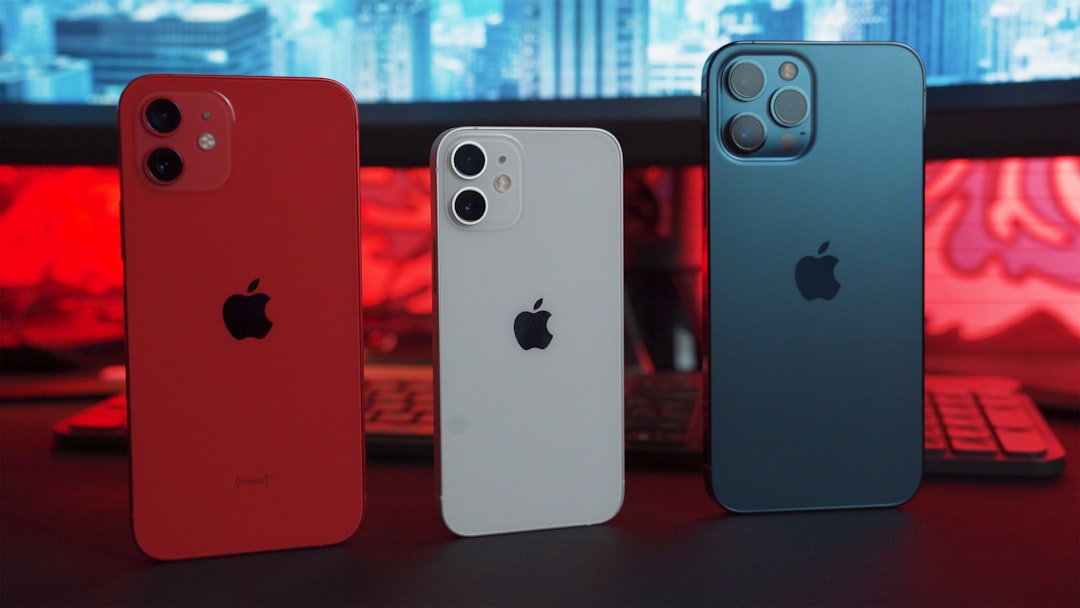
What determines the number on your screen? Apple publishes maximum estimates, not guaranteed payouts. According to Apple Trade In, an iPhone 16 Pro Max in eligible condition trades for up to $695, an iPhone 16 Pro for up to $560, and a base iPhone 16 for up to $460 as of May 2026. MacRumors reported that Apple raised those headline figures in May 2026 — the 16 Pro Max climbed from $685 to $695 — but every listed value remains an estimate until Apple receives and inspects the device.
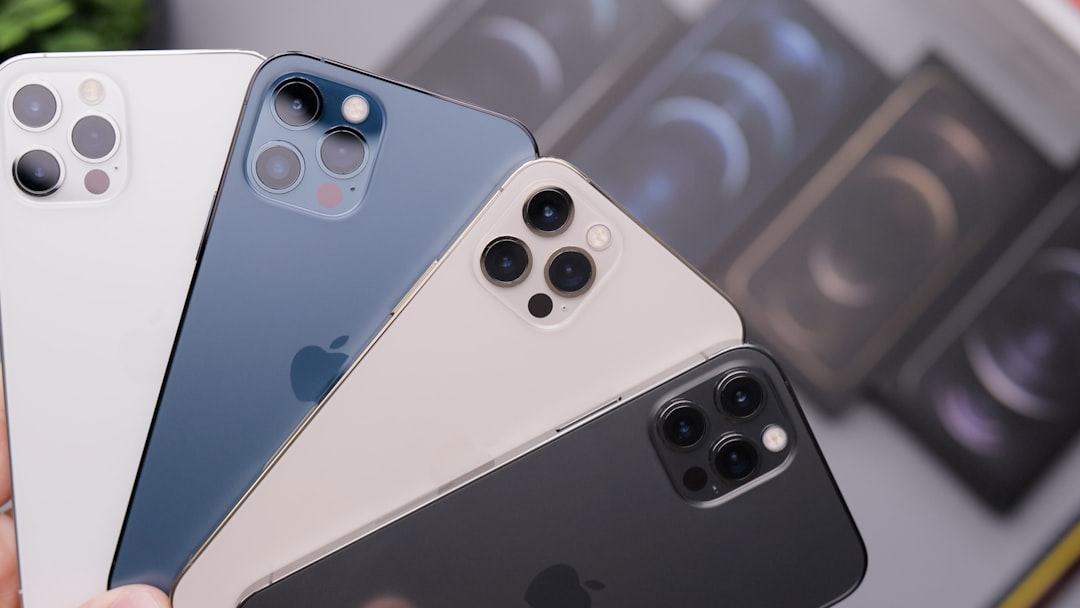
Condition is the largest variable you cannot fully reverse at the last minute. Upgrade Verdict found that a cracked screen reduces trade-in offers by 40–60%, with Apple penalizing damage more aggressively than third-party buyers like Back Market. Storage tier, carrier lock status, battery health, and repair history all feed into the final quote. Apple Support requires that any repair showing a "Finish Repair" status in your iPhone Parts and Service History be completed before trade-in eligibility.
A trade-in quote is a conditional contract. Convenience trades dollars for certainty; a private sale trades certainty for dollars. Neither is wrong — but treating them as the same decision produces the wrong outcome.
Should You Trade In With Apple, a Carrier, or Sell It Yourself?
How do you know which channel pays you and which channel pays the carrier? Start with what each program actually delivers.
Apple Trade In offers instant credit toward a new Apple device or an Apple Gift Card with no carrier lock-in. Apple must receive your trade-in within 14 days of your new device arriving to honor the estimated value. The program is convenient, but Upgrade Verdict documented that Apple consistently underpays by 10–20% compared to third-party buyback services: an iPhone 16 Pro in good condition fetched $620 at Apple versus $650–$710 on Back Market in 2026.
Carrier programs advertise the highest headline numbers — Verizon, AT&T, and T-Mobile routinely promote credits up to $1,000 or more. SwitchNinja explains the mechanism behind those figures: carrier trade-in credits arrive as monthly bill credits spread over 24–36 months, not upfront cash. A single-line user on a carrier "free phone" promotion pays approximately $1,640 more over three years ($3,060 total) compared to buying unlocked and using a prepaid MVNO plan ($1,600 total). Credits vanish the moment you switch carriers or downgrade plans before the term ends.
Carrier trade-ins reward commitment. Apple trade-ins reward flexibility. Third-party sales reward effort.
Third-party and private sales sit between the two poles. Swappa, eBay, and Facebook Marketplace typically return 15–25% more than institutional trade-in programs, according to Upgrade Verdict, but they require listing photos, buyer communication, and scam awareness. Best Buy pays in store gift cards with broad product flexibility but, in industry comparisons, often quotes 25–34% below top online cash buyers for the same benchmark device.
This is not to say carrier deals never make sense. SwitchNinja notes they work best for family plans with three or more lines, for broken phones with near-zero resale value, and for users who will not switch carriers for the full promotional term. If you can sell your current phone for $400–$600 on the private market, carrier credits are almost always worse than selling independently.
How Do You Prepare Your iPhone for Trade-In?
What happens if you ship a phone with Activation Lock still enabled? Apple rejects it, and you lose weeks. Preparation is not housekeeping — it is the mechanism that converts an estimate into a paid offer.
Follow this sequence from Apple Support's trade-in preparation guide and Apple's device transfer documentation:
- Transfer your data first. Use Quick Start (iOS 11 or later) to move data from your old iPhone to your new one before you erase anything.
- Back up completely. Confirm your iCloud or computer backup finished before proceeding.
- Unpair your Apple Watch. This creates a watch backup and removes Activation Lock from the watch.
- Remove your SIM and suspend eSIM service. Pull any physical SIM card and contact your carrier to suspend eSIM lines before shipping.
- Sign out of all accounts. Sign out of iCloud, the iTunes and App Store, iMessage, FaceTime, and Game Center. Erasing also removes Apple Pay cards and Find My.
- Erase all content and settings. As Apple Support states: "When you tap Erase All Content and Settings, your device is completely erased." If Find My is enabled, you need your Apple Account password — reset it beforehand if you have forgotten it.
- Ship the device alone. Do not include cases, cables, chargers, or accessories. Apple will not return them.
Skipping the erase step is the most common rejection trigger. A locked phone sitting in a shipping box earns $0 until you remotely disable Activation Lock — and the 14-day trade-in window keeps counting.
What Is the Best Time to Trade In an iPhone?
When does your phone hold peak value, and when does the market reprice it overnight? Timing is not superstition. It follows a predictable calendar tied to Apple's September product cycle.
According to SmartSMSSolutions, the optimal window falls 2–4 weeks before Apple's fall announcement — for 2026, aim to lock in quotes by mid-August. Historic data cited in that analysis shows iPhone values drop 5–8% on announcement day, 8–12% within one week, 12–15% within one month, and 18–22% within three months after a new launch. By six months post-launch, values stabilize at 25–30% below the pre-announcement peak, then decline 2–4% per month.
If you miss the pre-announcement window, secondary peaks appear during Black Friday promotions and tax refund season (February through April). Back Market also notes that U.S. iPhone values tend to rise from August through October as refurbishers stock inventory ahead of holiday demand — a brief counter-trend for sellers who act immediately after the keynote.
Waiting for the next iPhone release is not a neutral choice. Every month you hold a two-generation-old device, the market assigns it a lower tier. Lock in a quote with a 14–21 day price guarantee, then coordinate your upgrade around that locked figure.
Does iPhone Trade-In Value Drop After a New Release?
Yes — and the drop starts before the new phone reaches store shelves. MacRumors documented that Android trade-in offers fell when Apple raised iPhone values in May 2026: the Samsung Galaxy S23 Ultra dropped from $230 to $200 on Apple's program. The same competitive repositioning hits older iPhones when a new generation launches.
SmartSMSSolutions expects iPhone 16 values to fall an additional 15–20% around the iPhone 18 announcement expected in September 2026, as the device crosses from "current generation" to "two generations old" — a psychological and pricing threshold in the refurbished market. The steepest single-week decline typically lands between announcement day and the opening of preorders.
Of course, not every owner should rush to sell before September. If your phone has accumulated screen damage or battery degradation above 80% wear, holding it longer costs you more in condition penalties than in calendar depreciation. A damaged phone loses value faster from wear than from product cycles.
The Decision You Are Actually Making
Maximizing iPhone trade-in value is not about finding a magic number on a comparison chart. It is about aligning four mechanisms — channel, timing, preparation, and condition — with the outcome you actually need. Apple Trade In wins when you want instant credit and zero carrier obligation. Carriers win when you will stay on an unlimited plan for 24–36 months and accept bill credits instead of cash. Third-party buyers and private marketplaces win when your phone is unlocked, undamaged, and worth the three hours it takes to list and ship it.
Lock your quote by mid-August if you plan to upgrade this fall. Erase your device completely before it leaves your hands. Compare at least three channels before you accept any offer. The difference between a prepared seller and an unprepared one is not $20 — it is often $200 or more on the same hardware.