Inverter vs Conventional Generators: Which to Buy
Marcus pulled his open-frame generator from the truck at Assateague Island National Seashore on a Friday in June 2023 and had it running for eleven minutes before a ranger appeared. The unit was rated for 7,500 watts and cost him $850. It also measured well above the campground's 60-decibel limit at 50 feet. He packed it back up and spent the weekend running extension cords from a neighbor's Honda EU2200i instead. That single afternoon encodes the entire tradeoff between inverter and conventional generators: one machine delivers raw watts per dollar; the other buys you permission to stay.
This is not a question of which technology is "better" in the abstract. It is a question of which mechanism matches your load, your location, and how much noise your neighbors will tolerate. Below, I walk through the engineering difference, the campground noise rules that make it practical, fuel and power quality data, and a decision framework for first-time buyers.
What Is the Difference Between an Inverter and a Regular Generator?
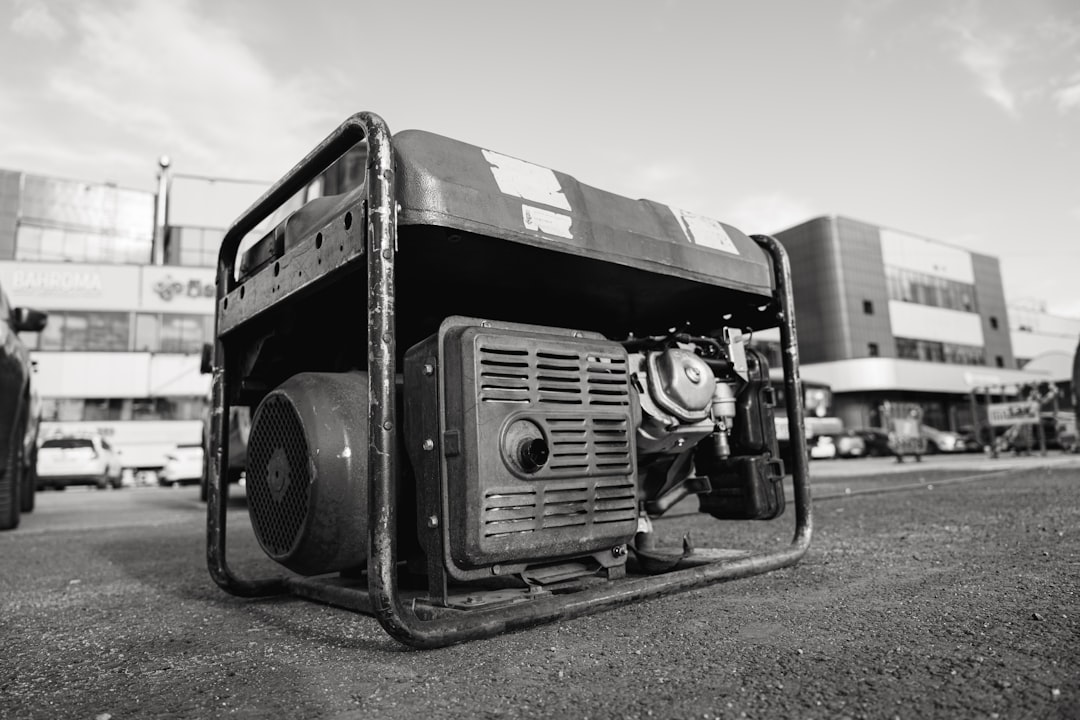
How does a conventional portable generator produce power? It spins an alternator at a fixed 3,600 RPM regardless of whether you are running a single phone charger or a full refrigerator. The engine never adjusts. Fuel burns at a near-constant rate. Voltage fluctuates when loads spike.
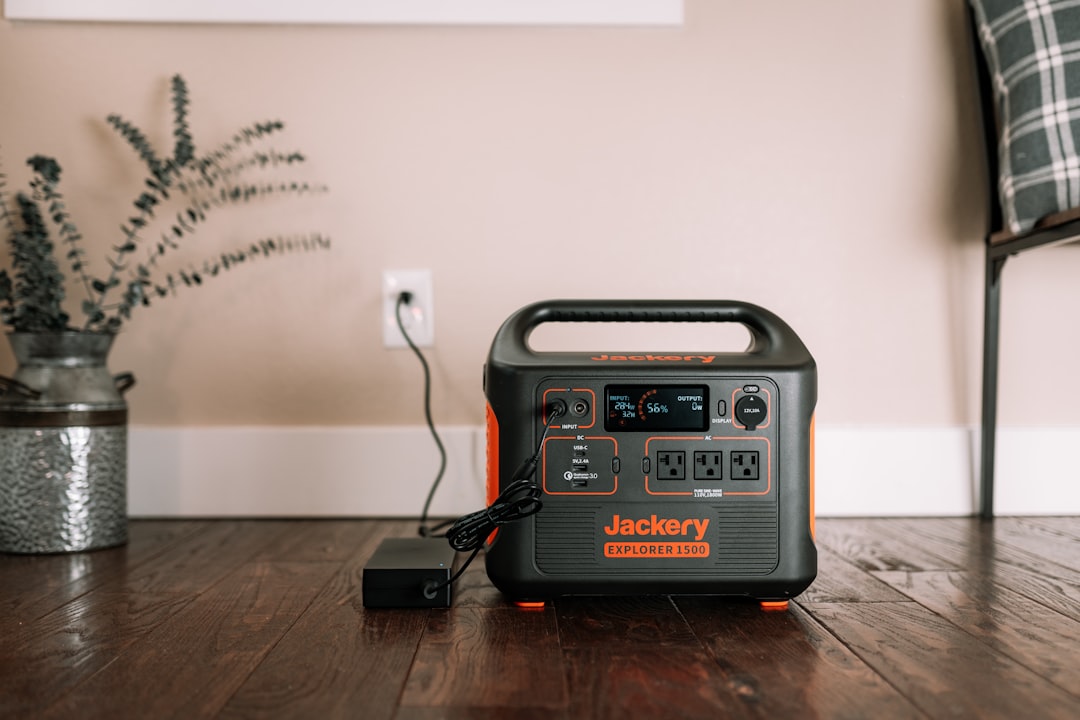
An inverter generator works differently. According to Popular Mechanics, the engine produces AC, converts it to DC, then inverts it back to clean AC. That three-step process lets the engine throttle up when demand rises and slow down when demand falls. The mechanism is load-matching, not constant spinning.
David Trezza, the Consumer Reports engineer who heads generator testing, summarized the practical result in Consumer Reports: inverter models run quieter, use less fuel at partial loads, and deliver cleaner power. Conventional units win on upfront watt-per-dollar. They lose on everything that depends on variable engine speed.
Side-by-Side Comparison
| Feature | Inverter Generator | Conventional Generator |
|---|---|---|
| Noise (typical) | 50–60 dB | 70–80+ dB |
| Fuel use at partial load | 40–60% less | Near-constant burn rate |
| Power quality (THD) | Below 3% | 5–25% |
| Safe for sensitive electronics | Yes | Risk without conditioning |
| Typical 5,000W price | ~$4,000 | ~$850 for 7,500W |
| Best use case | Camping, RV, backup for electronics | Job sites, whole-home backup, high-watt tools |
A conventional generator is a fire hose. An inverter generator is a faucet with a pressure regulator. Both move water. Only one adjusts to the size of your cup.
Which Generator Is Quietest for Camping?
What decibel level gets you evicted from a campground? National Park Service regulation 36 CFR 2.12, cited on the Assateague Island National Seashore campground rules page, sets the benchmark: generator noise must not exceed 60 decibels at 50 feet on the A-weighted scale. Quiet hours run from 10:00 p.m. to 6:00 a.m., and some campground loops ban generators entirely regardless of noise rating.
Most open-frame conventional generators cannot meet that threshold. Bob Vila tested eight best-selling quiet generators and found inverter models consistently operating at 50–60 dB, while conventional open-frame units scored middling or worse, often exceeding 70 dB. The Honda EU2200i measured 48 dB at quarter load and 57 dB at rated load, per Honda Power Equipment — less noise than normal conversation at close range.
"Inverter generators are generally quiet enough not to drown out nearby conversation." — David Trezza, Consumer Reports
Camping World notes that many inverter models operate between 50 and 60 decibels at quarter load, roughly equivalent to a busy restaurant. That is not cosmetic quiet. It is the difference between compliance and a ranger visit.
Of course, Wisconsin state parks add another layer. The Wisconsin Department of Natural Resources allows generators only when they operate at a quiet volume and cause no disturbance; property managers may permit medical-use generators by written permit. Construction-style conventional units are effectively prohibited. Quiet inverter-style units survive at the manager's discretion because the mechanism — variable speed plus enclosed housing — produces less disturbance per watt.
Can an Inverter Generator Power Sensitive Electronics?
Does total harmonic distortion actually matter outside a physics lab? Yes, because your laptop charger and CPAP machine were designed for grid power, not the rough AC a fixed-speed alternator produces under load swings.
Consumer Reports and Popular Mechanics both report that inverter generators deliver power with total harmonic distortion below 3%, comparable to household outlets. Conventional generators produce 5–25% THD, which can damage televisions, computers, and medical devices over time. The inverter's AC-to-DC-to-AC pipeline acts as a filter. The conventional generator has no such stage.
Honda describes its EU2200i output as "power as reliable as the power you get from your outlets at home." That claim rests on the inverter stage, not marketing. If you are backing up a home office or running a CPAP off-grid, the mechanism you need is clean sine-wave output, not maximum wattage on a spec sheet.
How Fuel-Efficient Are Inverter Generators?
Why does a 7,500-watt conventional generator empty its tank while powering two LED lamps? Because the engine runs at 3,600 RPM whether the load is 200 watts or 2,000. Consumer Reports found inverter generators use 40–60% less fuel at partial loads because the engine throttles to match demand.
Camping World reports that inverter models with Eco Mode can run 10–20 hours on a single tank depending on load, while conventional units burn fuel at a constant rate regardless of draw. Over a three-day outage, that efficiency compounds into fewer gas-can trips and lower emissions — a practical advantage Trezza noted in Consumer Reports when fuel becomes scarce after emergencies.
This is not to say inverters are always cheaper to operate. At full rated load, the efficiency gap narrows. The savings concentrate in the partial-load scenarios that define camping, tailgating, and overnight refrigerator backup.
Are Inverter Generators Worth the Extra Money?
How do you justify paying five times more per watt? You do not — unless the watts you need come with constraints on noise, electronics safety, or fuel supply.
The price gap is stark. Consumer Reports puts a 5,000-watt inverter at roughly $4,000 versus about $850 for a 7,500-watt conventional portable. Popular Mechanics found a similar spread: a 9,500-watt conventional unit at ~$1,200 versus a comparable inverter at ~$2,600. Trezza told Consumer Reports that if money is not the primary constraint, he would choose an inverter for the noise advantage alone during multi-hour runs.
Buy a conventional generator when you need maximum watts per dollar, noise is irrelevant, and your loads are resistive — space heaters, power tools, basic appliances without sensitive control boards. Buy an inverter when campground regulations, neighbor proximity, or electronics safety define your operating environment.
A First-Time Buyer's Decision Framework
- Measure your actual load. Add the running watts of everything you will plug in simultaneously. Starting watts for motors like refrigerators run 2–3 times higher.
- Check local rules before you buy. If you camp at NPS or state park campgrounds, assume the 60 dB at 50 feet standard applies.
- Match power quality to your devices. Any laptop, TV, or medical device on your list pushes you toward an inverter.
- Calculate total cost, not sticker price. Factor fuel consumption over the hours you expect to run each year. A cheaper unit that burns 50% more fuel at quarter load closes the price gap over time.
- Test noise before your first trip. Run the generator in your driveway and walk 50 feet with a decibel meter app. If you exceed 60 dB, you already know what happened to Marcus at Assateague.
The Mechanism That Decides
An inverter generator is not a luxury version of the same machine. It is a different architecture — variable engine speed, enclosed housing, filtered AC output — built for environments where constant 3,600 RPM operation creates problems that no amount of wattage solves. A conventional generator is not obsolete. It is the correct tool when the job is raw power at minimum cost and nobody is measuring decibels at the property line.
Choose the generator whose mechanism matches the constraint that would stop you from using it. If that constraint is noise, electronics, or fuel at partial load, the inverter earns its price. If the constraint is only total wattage per dollar, the conventional unit still wins.