
How to Calm Nerves Fast: What Can I Do Right Now?
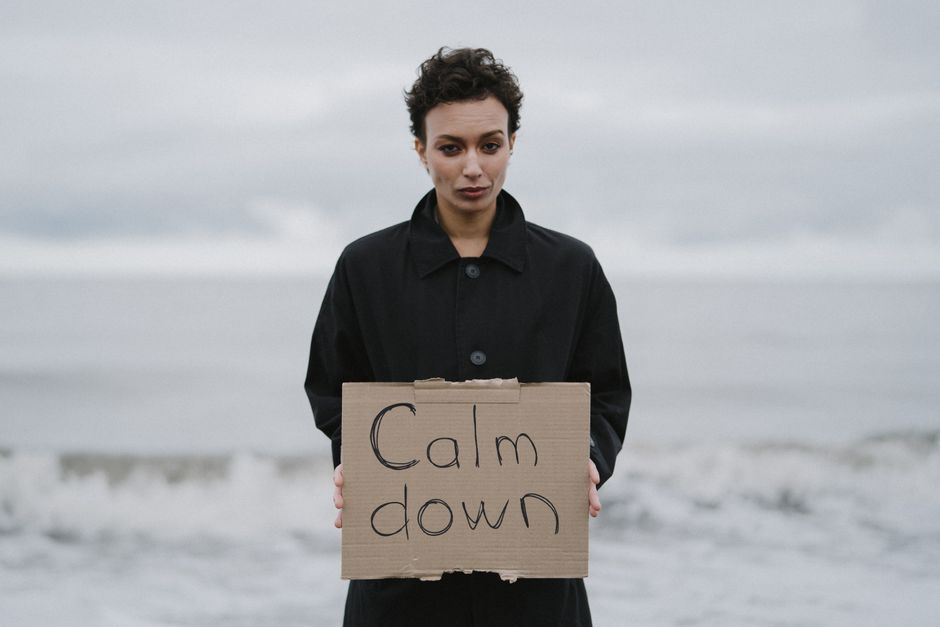
To learn how to calm nerves fast, choose one simple action that fits your setting: breathe gently with a longer, comfortable exhale, name details around you, or move slowly. Give it a few minutes without forcing a result. If focusing on your breath makes anxiety worse, switch to external grounding or gentle movement; recurring, severe, or disruptive symptoms merit professional support.
How do I calm my nerves ASAP?
To calm your nerves ASAP, pick one low-effort technique and stay with it briefly rather than stacking several methods at once. Use this seven-option menu to match the action to the moment; the best first choice is the one you can do comfortably.
- Gentle extended-exhale breathing — quiet setting, low effort. Breathe gently in through your nose and out through your mouth, letting the out-breath last a little longer if that feels comfortable. The NHS describes a calming exercise that can be done sitting, standing, or lying down; count from one to five on each part if useful, and repeat for at least five minutes. Do not force or deepen the breath.
- External grounding — any setting, low effort. Name what you can see, hear, and feel around you. Keeping attention on concrete sensory details gives you an alternative to monitoring internal sensations. Keeping Well North West London, an NHS service, recommends grounding to help people feel more in control.
- Gentle movement — private or public, low to moderate effort. Walk slowly, roll your shoulders, or stamp lightly on the spot if it is safe and appropriate. The NHS service lists stamping on the spot as an option during panic; movement can be a useful alternative when sitting still increases tension.
- Brief sensory reset — most settings, low effort. Focus on a familiar sensory detail, such as the feel of a soft object or the taste of mint gum. The NHS service suggests these kinds of sensory anchors; choose something readily available and keep your attention on its texture, taste, or temperature.
- Quiet pause — at home or somewhere private, low effort. Step to a quieter place and let your shoulders soften. After a panic episode, the NHS service suggests resting somewhere quiet and attending to basic needs such as eating and drinking.
- Mindfulness or relaxation — flexible setting, low effort. Use a simple practice that holds attention on a chosen sensation or present-moment detail. NIMH lists mindfulness and relaxation exercises among coping options for feeling overwhelmed.
- Contact a trusted person — any setting, variable effort. Send a short message such as, “I’m feeling keyed up; can you stay with me for a few minutes?” The NHS service suggests telling someone trusted if helpful, and NIMH includes support from trusted people among coping options.
Think of the menu as a sequence, not a test. Try one action, notice whether it feels manageable, and switch if it adds strain. NIMH notes that finding helpful coping techniques can take trial and error. For related options, see quick relaxation techniques for anxiety.
What can I do right now if my heart is racing from nerves?
If your heart is racing from nerves, reduce the immediate demand on your attention: pause somewhere safe, loosen your posture, and choose comfortable breathing or external grounding. A racing heart can occur with panic, but the sensation alone does not establish its cause.
NIMH lists a pounding or racing heart among possible panic symptoms, alongside sweating, trembling, dizziness, difficulty breathing, chest pain, and nausea. Symptoms can feel intense; NIMH says they usually resolve with time, while an attack may last from a few minutes to an hour or sometimes longer.
Use a short sequence rather than trying to suppress every sensation:
- Pause activity where it is safe to do so.
- Look outward and name a few concrete details in your surroundings.
- If breathing feels comfortable, let it flow gently; if it does not, move slowly or focus on a sensory object instead.
- When the intensity eases, consider a quiet rest and basic needs such as food or water.
New, severe, or otherwise medically concerning symptoms deserve prompt medical assessment; do not assume chest pain or breathing difficulty is anxiety. For a practical explanation of the overlap between anxiety and physical sensations, see how to calm anxiety fast.
How can I calm down quickly before a presentation?
Before a presentation, use a discreet one-minute reset: place both feet on the floor, notice a few details in the room, and take several easy breaths with unforced, slightly longer exhales if comfortable. Then begin with a prepared first sentence instead of waiting to feel completely calm.
Keep the sequence simple enough to use in a meeting room or while waiting to speak. You might silently label what is present—“chair under me, screen ahead, voices in the room”—then let your next breath happen without forcing its depth. The NHS says its breathing exercise can be done anywhere, but recommends practicing regularly for the greatest benefit; a brief pre-presentation reset is a prompt, not a guaranteed fix.
If watching your breath makes you more self-conscious, switch to external details: notice the color of the first slide, the feel of your feet on the floor, or one steady sound in the room. If you can step away privately, a short, gentle walk is another option. The aim is to give attention a practical job while you start—not to wait for nerves to disappear.
A longer at-home reset can combine a few minutes of comfortable breathing, a gentle walk or stretch, and a quiet pause afterward. NIMH also identifies regular sleep, healthy meals, exercise, relaxation, and support from trusted people as coping options when someone feels overwhelmed. These broader habits support coping; a quick technique does not by itself resolve persistent anxiety.
What can I try if breathing exercises make me feel more anxious?
If breathing exercises make you more anxious, stop focusing on your breath and switch to an outward-facing grounding task or gentle movement. A technique is useful only if it feels manageable; forcing it can turn the exercise into another source of pressure.
Try a concrete replacement: name objects of different colors, feel the texture of a sleeve or soft item, or walk slowly while noticing each step. The NHS service lists sensory focus, grounding, and stamping on the spot as options during panic. These approaches shift the task from controlling an internal sensation to noticing something available around you.
There is no need to treat one difficult attempt as failure. NIMH says coping methods can take trial and error to discover. If a method reliably makes symptoms worse, leave it aside and try a different low-pressure option; if anxiety persists, interferes with everyday life, or causes avoidance, talk with a health care provider.
Cold stimulation is not a required next step. A University of Colorado Anschutz report describes a 2018 study in which brief cold stimulation produced short-term heart-rate or heart-rate-variability changes in some groups, but it does not establish that icing the face reliably treats anxiety. The report advises people with heart conditions to consult a doctor before making icing routine. Grounding and comfortable movement offer alternatives without relying on that uncertain effect.
Frequently Asked Questions
Does cold water help calm nerves, and how can I use it safely?
Cold stimulation has been studied for short-term physiological responses, but that is not proof that icing the face reliably treats anxiety. The University of Colorado report describes a brief study and advises people with heart conditions to consult a doctor before making icing routine. A brief cool sensation may be an option, but grounding or comfortable breathing are alternatives.
How long does it usually take for a quick calming technique to help?
There is no single timing that applies to every person or technique. The NHS says its breathing exercise takes a few minutes and recommends repeating it for at least five minutes; a panic attack itself can last from a few minutes to an hour or sometimes longer, according to NIMH.
When should I get professional help for frequent or overwhelming nerves?
Consider speaking with a health care provider when anxiety or stress does not go away, interferes with daily life, leads to avoidance, or feels constantly present. NIMH also recommends discussing recurring panic symptoms with a provider. Chest pain or difficulty breathing can occur during panic, but new or medically concerning symptoms warrant prompt medical assessment.
Sources
- NHS: Breathing exercises for stress
- National Institute of Mental Health: Panic Disorder
- National Institute of Mental Health: So Stressed Out Fact Sheet
- Keeping Well North West London NHS: Panic attacks
- University of Colorado Anschutz Medical Campus: Does TikTok-Fueled Vagus Nerve Icing Offer Calming Relief?
Disclaimer: This article is for general information only and is not medical advice. It is not a substitute for diagnosis or treatment by a qualified healthcare professional. Always speak to your doctor before acting on anything you read here.
Keep reading
How to Calm Anxiety Fast: What Can I Do Now?
To calm anxiety fast, get somewhere safe, ground yourself, breathe gently if comfortable, and seek urgent help for severe or dangerous symptoms.
What Supplements Actually Help With Anxiety?
An evidence-based guide to anxiety supplements, deficiency testing, medication interactions, and realistic expectations.
What Is the List of Ghost Kitchens Near Me?
A list of ghost kitchens can show reported brand and host ties, but local availability must be checked by address and date.
Can Caffeine Make My Anxiety or Panic Symptoms Worse?
A practical caffeine audit and gradual reduction plan for people whose coffee, energy drinks, soda, or pre-workout may worsen anxiety.