
What Supplements Actually Help With Anxiety?
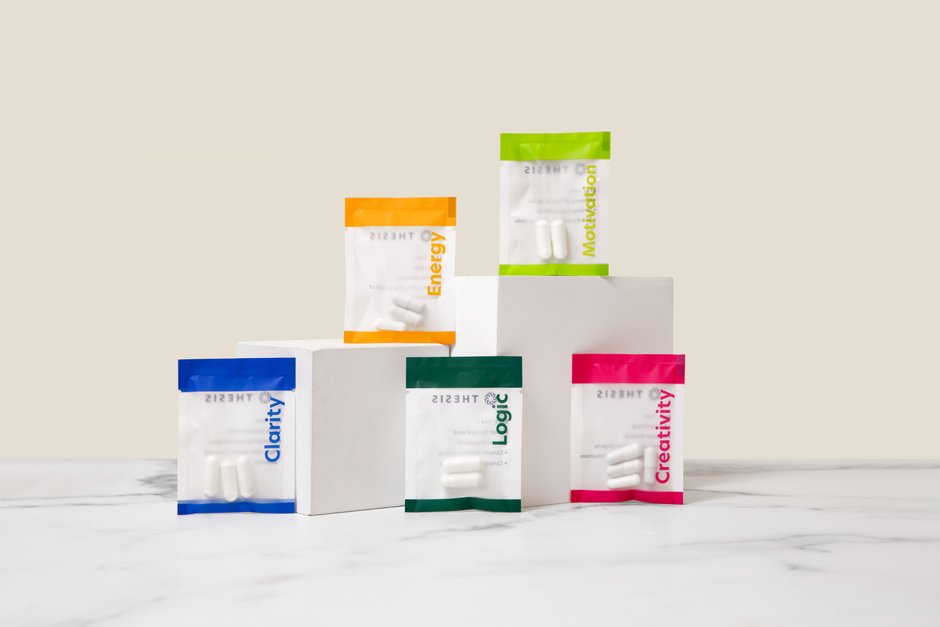
Anxiety supplements are not a cure, and the sensible first move is to check for a credible deficiency or medication interaction rather than chase a popular product. Magnesium has limited, low-quality evidence for subjective anxiety; vitamin D and B12 matter when deficiency is confirmed; omega-3s have not prevented anxiety symptoms in reviewed trials; and several herbs bring meaningful safety concerns.
Use a deficiency-first filter. Start with diet, relevant health conditions, and every medicine or supplement already in use. Then decide whether clinician-led testing or a pharmacist review is warranted. That sequence cuts cognitive load and reduces the chance that a low-cost bottle creates an expensive problem.
What vitamins actually help with anxiety?
No vitamin has strong evidence as a stand-alone treatment for anxiety; vitamin D and B12 are most relevant when testing identifies a deficiency or a plausible deficiency risk. That is the practical distinction: correcting a documented nutritional problem is different from buying a product because its label says “calm.”
The NIH Office of Dietary Supplements vitamin D fact sheet identifies serum 25-hydroxyvitamin D as the main status marker. It also says routine testing is not recommended for healthy people, so a blanket testing plan wastes effort as readily as a blanket supplement plan does.
B12 deserves a similarly specific conversation. The NIH Office of Dietary Supplements B12 fact sheet lists malabsorption, dietary deficiency, gastrointestinal surgery, and prolonged metformin or proton-pump-inhibitor use among factors that can contribute to deficiency. A borderline result is not a label for self-diagnosis; the same source describes methylmalonic acid testing as a way clinicians can help confirm deficiency in a defined range.
Omega-3 supplements do not earn a place on an anxiety shopping list based on prevention evidence. In the Deane and colleagues systematic review and meta-analysis published in 2019, long-chain omega-3 supplementation probably had little or no effect on preventing anxiety symptoms. “Popular” is not the same as “useful for this job.”
| Option | What the supplied evidence supports | Decision frame |
|---|---|---|
| Magnesium | Limited and low-quality evidence of benefit for subjective anxiety in some vulnerable groups | Review safety, kidney function, and medicines before treating it as an anxiety tool |
| Vitamin D | Status testing can identify deficiency risk; routine testing is not recommended for healthy people | Discuss testing when there is a credible clinical reason |
| Vitamin B12 | Deficiency can be evaluated with clinical context and laboratory testing | Consider risk factors such as absorption problems or relevant long-term medicines |
| Omega-3 | Probably little or no effect on prevention of anxiety symptoms | Do not buy it for anxiety prevention on this evidence alone |
| Herbal products | Evidence varies, while interaction and organ-safety risks can be substantial | Run a pharmacist or clinician check first |
Is magnesium glycinate good for anxiety?
The supplied research does not establish magnesium glycinate as uniquely good for anxiety; it supports only a cautious, qualified discussion of magnesium overall. The label form is not the evidence. The evidence is the evidence.
A systematic review by Boyle, Lawton, and Dye published in 2017 found some positive findings for subjective anxiety, but judged the overall study quality poor. Several studies used magnesium alongside vitamin B6 or herbal ingredients, which makes it harder to identify magnesium as the active reason for any result.
The safety screen matters more than product branding. The NIH Office of Dietary Supplements magnesium fact sheet says high supplemental intakes can cause digestive side effects and, at very high intakes, serious toxicity. Risk increases when kidney function is impaired because excess magnesium may not be removed effectively.
Run this replacement question before purchasing: “What problem is this meant to solve, and what would show that it is the right problem?” A weak version is “magnesium glycinate is calming.” A stronger version is “the evidence for magnesium is limited, and safety depends on kidney function, other products, and medicines.” That phrasing prevents a marketing claim from doing clinical work it cannot do.
Should I get tested for vitamin D or B12 deficiency before taking supplements?
Testing is most useful when symptoms, diet, medical history, or medicines make deficiency plausible; routine vitamin D testing is not recommended for healthy people. This is a decision tree, not a scavenger hunt for abnormal results.
- List the inputs. Include dietary restrictions, digestive or surgical history, kidney status, pregnancy status, and every prescription, over-the-counter medicine, and supplement.
- Flag credible risks. For B12, the NIH ODS identifies prolonged metformin or proton-pump-inhibitor use and absorption problems as relevant factors. For vitamin D, a clinician can decide whether testing adds useful information in the person’s circumstances.
- Use the appropriate follow-up. The NIH ODS notes that evaluating magnesium can require both laboratory tests and clinical assessment; a single number does not finish the job.
- Choose the next action with the prescriber or pharmacist. That includes whether a supplement is appropriate, whether it could interfere with treatment, and how results will be revisited.
This approach is basic risk management: define the risk, verify it, then pick the response. The same operating principle appears in this site’s guide to building a simple small-business risk-management framework. In health decisions, the stakes are personal, but the sequence still holds.
Can vitamin D make anxiety worse for some people?
The supplied evidence does not show that vitamin D routinely makes anxiety worse, but it does show that excessive vitamin D exposure and medication interactions can create adverse effects that deserve clinical attention. Do not turn “vitamin” into shorthand for “risk-free.”
The NIH ODS vitamin D fact sheet states that very high vitamin D status may be associated with adverse effects. It also identifies interaction pathways: orlistat can reduce vitamin D absorption, steroids can lower vitamin D levels, and combining vitamin D with thiazide diuretics can raise blood calcium too high. The correct move is not to guess whether new symptoms are “anxiety” or “just the supplement”; it is to review the product and medicine list with a qualified professional.
Herbal alternatives need the same discipline. The National Center for Complementary and Integrative Health says kava may help generalized anxiety disorder based on a review published in 2018, while also noting a risk of severe liver injury and the need for more research. It reports that melatonin probably reduced anxiety before surgery in a review published in 2020, but that is procedural anxiety, not evidence for treating generalized anxiety.
St. John’s wort is an even clearer stop sign. According to NCCIH’s St. John’s wort safety guidance, it can interact in dangerous, sometimes life-threatening ways with a variety of medicines, including certain antidepressants and other serotonin-affecting drugs. It can also weaken the effects of several medicine classes. “Natural” does not reduce the interaction burden.
The practical close is simple: bring the complete bottle list, not a memory-based summary, to a pharmacist or clinician. Ask: “Which of these can change absorption, worsen an existing condition, or conflict with my current treatment?” That is the useful drill for this week.
Frequently Asked Questions
Can I take anxiety supplements with antidepressants or other medications?
That depends on the supplement, medicine, and health condition, so a pharmacist or prescribing clinician needs to review the full list. NCCIH warns that dietary supplements can cause unwanted medicine interactions, and it says St. John’s wort can interact dangerously, sometimes life-threateningly, with many medicines including certain antidepressants. Magnesium can also reduce absorption of some antibiotics and oral bisphosphonates, according to NIH ODS.
Can supplements replace therapy or anxiety medication?
No supplement in this evidence set replaces established anxiety treatment. NCCIH states that anxiety disorders are generally treated with psychotherapy, medication, or both. A supplement decision is a separate safety and deficiency question, not a substitute for care.
How long do anxiety supplements take to work?
The research dossier does not establish one reliable timeline for anxiety relief from supplements. That uncertainty is a reason to avoid treating a product’s marketing timeline as proof. A clinician can help distinguish a deficiency follow-up plan from monitoring an anxiety condition itself.
Sources
- NIH Office of Dietary Supplements: Magnesium Fact Sheet for Health Professionals
- Boyle, Lawton, and Dye: The Effects of Magnesium Supplementation on Subjective Anxiety and Stress
- NIH Office of Dietary Supplements: Vitamin D Fact Sheet for Health Professionals
- NIH Office of Dietary Supplements: Vitamin B12 Fact Sheet for Health Professionals
- National Center for Complementary and Integrative Health: Anxiety and Complementary Health Approaches
- National Center for Complementary and Integrative Health: St. John’s Wort, Usefulness and Safety
- Deane et al.: Omega-3 and Polyunsaturated Fat for Prevention of Depression and Anxiety Symptoms
Disclaimer: This article is for general information only and is not medical advice. It is not a substitute for diagnosis or treatment by a qualified healthcare professional. Always speak to your doctor before acting on anything you read here.