
What Bottled Water Should I Use in My Espresso Machine?
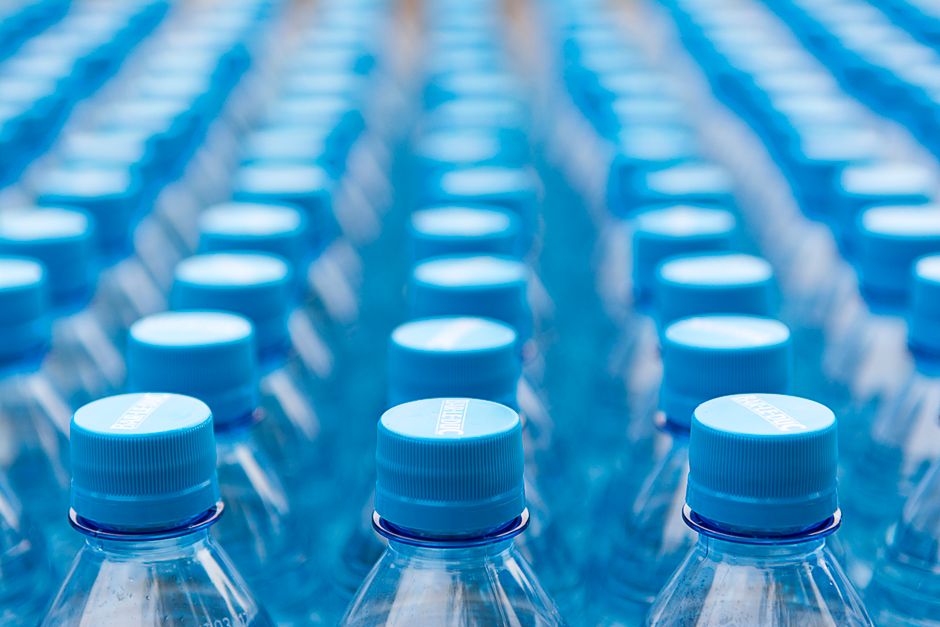
Choose bottled water with low calcium and magnesium hardness to limit scale, but not water chosen by a single number alone. Compare the label for calcium, magnesium, bicarbonate or alkalinity, and total dissolved solids; favor the lowest hardness information available while avoiding a high-bicarbonate profile that can flatten coffee’s acidity and complexity.
What bottled water should I use in my espresso machine?
Use the bottled water whose published analysis shows the least calcium and magnesium hardness while still providing enough mineral and bicarbonate information to judge the tradeoff. The goal is not “the purest-looking bottle.” The goal is low scale risk without blindly stripping the water of the chemistry that shapes extraction.
Start with a label-reading routine, not a brand hunt. Look for calcium and magnesium first. The U.S. Environmental Protection Agency defines hard water as water high in minerals, mainly calcium and magnesium, and says hardness above 120 mg/L is generally considered hard. Those minerals create scale on surfaces and appliances, which matters more once water is repeatedly heated in a boiler or thermoblock.
Then find bicarbonate, alkalinity, or a water-quality report that gives one of those values. This is the flavor check. The Specialty Coffee Association says alkalinity matters far more than pH for coffee acidity when water is near neutral, so a label claiming a particular pH does not settle the question.
The practical rule: do not buy a bottle because it says “spring,” “artesian,” or “purified.” Those are category words. Calcium, magnesium, bicarbonate, and alkalinity are the working numbers.
| What the label shows | What it tells you | How to use it |
|---|---|---|
| Calcium and magnesium | The main minerals behind hardness and scale | Lower disclosed amounts generally reduce scale pressure. |
| Bicarbonate or alkalinity | How strongly water buffers coffee acids | Avoid assuming high is better; excess can make brightness and complexity less apparent. |
| Total dissolved solids (TDS) | The estimated amount of dissolved material | Use it as a clue, never as the final decision. |
| Only a brand name or source name | Very little about mineral composition | Find the producer’s water analysis before making it your machine water. |
If bottled labels leave out the mineral analysis, the honest answer is that public label data does not let you predict scale or flavor precisely. That is a reason to skip the guesswork, not a reason to treat a low-looking TDS number as proof.
Which minerals on a bottled-water label cause limescale?
Calcium and magnesium are the minerals to watch because they create hardness, and calcium is specifically identified as a source of limescale. The EPA states plainly that hard water contains high concentrations of minerals, mainly calcium and magnesium, and that scale can reduce heat conductivity and shorten the useful life of appliances and fixtures.
Use this quick distinction: hardness minerals create the equipment problem; bicarbonate steers much of the flavor problem. They can appear together in the same bottle, but they do different jobs. Reading only one line of the label leaves a blind spot.
The SCA reports that average U.S. tap water contains about 170 ppm total hardness as calcium carbonate and about 150 ppm alkalinity as calcium carbonate. For espresso equipment, it describes a technically safer range with total hardness as low as 20 ppm as calcium carbonate and alkalinity up to 150 ppm, because scaling filter-water recommendations up to espresso ratios can form substantial scale. This is a useful direction, not a conversion formula for every bottle: labels may report the individual minerals, hardness as calcium carbonate, or neither.
Weak label logic: “This bottle has 100 ppm TDS, so it must be safe.” Stronger label logic: “This bottle has a disclosed calcium and magnesium profile, plus bicarbonate or alkalinity, so its scale and flavor tradeoffs are visible.”
A TDS meter cannot repair missing information. As the Specialty Coffee Association explains, the meter estimates dissolved solids from conductivity; it does not tell you which minerals are in the water. Its calibration can also change the apparent result. Treat TDS as a triage tool, not a mineral report.
Is distilled water safe to use in a coffee maker?
Distilled water is effective at avoiding mineral scale, but it is not the balanced default for coffee because it contains essentially no dissolved ions. The SCA notes that pure water has no conductivity reading because it has no additional ions, which is exactly why it does not provide the mineral profile normally involved in drinking-water measurements.
That absence protects against calcium- and magnesium-driven deposits. It also changes extraction. A peer-reviewed Journal of Agricultural and Food Chemistry study found that dissolved calcium, magnesium, and sodium affect extraction through interactions with coffee compounds; magnesium had the highest relative binding energy among the tested cations. The same paper emphasizes balance between cations and bicarbonate rather than declaring one universal ideal water.
Do not turn that into “add minerals at random.” The water in the cup and the water in the boiler have different stakes. A bottle with high hardness can burden equipment; water with no dissolved minerals removes a contributor to extraction; high bicarbonate can suppress desirable acidity. The better move is to choose a water source whose analysis makes those choices visible.
For regular home use, a filter or refill station can be a better fit than single-use bottled water when it provides a current mineral analysis or lets you control hardness with a softening cartridge. The SCA specifically describes lowering total hardness while retaining alkalinity as a way to reduce boiler scale without removing all buffering capacity. That approach also avoids repeatedly buying bottles based on marketing language rather than the numbers.
There is one more household consideration: if espresso is becoming a frequent caffeine source and anxiety or panic symptoms are a concern, review Can Caffeine Make My Anxiety or Panic Symptoms Worse?. Water chemistry changes the brew, not caffeine sensitivity.
Frequently Asked Questions
Should I choose spring water or purified water for espresso?
Choose the bottle with the more suitable disclosed mineral profile, not the category printed on the front. Spring and purified water can each vary in calcium, magnesium, and bicarbonate, while a TDS figure alone cannot identify those components. If labels do not provide enough mineral detail, public data does not establish which bottle is the safer choice for your particular machine.
How do calcium, magnesium, and bicarbonate affect coffee taste?
Calcium and magnesium participate in extraction; a PubMed-indexed study found magnesium had the strongest relative binding energy among the tested cations, with calcium also aiding extraction. Bicarbonate acts as a buffer, and a 2026 sensory study in the Journal of Food Science found that rising bicarbonate reduced perceived acidity, fruitiness, and complexity while increasing roasted and bitter notes. Calcium also matters for equipment because it is a source of limescale.
This week’s label drill: place the mineral panel or producer analysis for the water currently used in the machine beside one alternative. Mark calcium, magnesium, and bicarbonate or alkalinity. If any of those numbers are missing, treat the choice as unverified rather than assuming the label’s category tells the whole story.
Sources
Keep reading
Should a Large Group Walk Into a Buffet or Reserve?
A practical guide to buffet walk-ins and reservations for large groups, including seating rules, time limits, deposits, and arrival planning.

How Do I Set Up a Buffet That Keeps Hot and Cold Food Safe?
Set up a safer party buffet with clear hot and cold holding temperatures, time limits, small-batch serving, and leftover rules.