
How Do I Set Up a Buffet That Keeps Hot and Cold Food Safe?
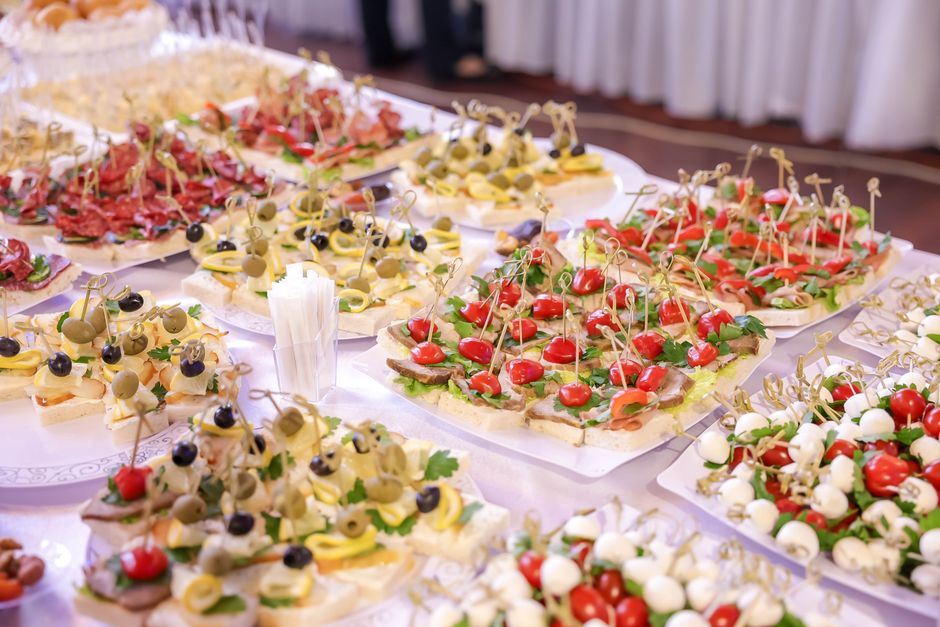
Keep hot buffet dishes at 140°F or warmer and cold dishes at 40°F or colder, checking both with a food thermometer. Perishable food must be discarded after 2 hours at room temperature, or after 1 hour if the buffet area is above 90°F. Serve in small batches, replace nearly empty dishes instead of topping them up, and chill leftovers promptly in shallow containers.
A buffet does not need elaborate equipment to be safe. It needs a simple operating plan: hold temperature, track time, and replace food cleanly. Set that plan before guests arrive, because a crowded kitchen is the wrong time to decide whether a dish has been sitting out too long.
How long can food sit out on a buffet table?
Perishable buffet food can sit at room temperature for no more than 2 hours, or no more than 1 hour when the buffet area is above 90°F. The USDA Food Safety and Inspection Service says to track how long dishes have been on the table and discard food once it exceeds that limit.
This is the clock rule: start the clock when a dish leaves temperature control, not when the first guest serves it. The Centers for Disease Control and Prevention identifies 40°F to 140°F as the temperature danger zone, where bacteria can multiply rapidly. A dish that looks untouched can still be over its safe serving window.
| Buffet condition | Maximum time at room temperature | What to do next |
|---|---|---|
| Normal indoor conditions | 2 hours | Discard perishable food still sitting out. |
| Buffet area above 90°F | 1 hour | Discard perishable food still sitting out. |
| Food held hot or cold at the proper temperature | Monitor throughout service | Keep checking temperature with a food thermometer. |
Make time visible. Put out one small platter, note the start time, and keep backup portions in the refrigerator or a 200°F to 250°F oven, as the FDA buffet guidance recommends. That approach reduces waste because you are not exposing the entire meal at once.
Weak plan: “Put everything out and hope it goes quickly.” Strong plan: “This platter went out at 6:00; replace or discard it by 8:00.” The second line gives the host a decision rule, not a vague intention.
What temperature should hot food stay at during a party?
Hot food should stay at 140°F or warmer during the party. Use chafing dishes, slow cookers, or warming trays to hold that temperature, and verify the food itself with a thermometer rather than assuming the equipment setting is enough.
The setup matters. These tools are for holding already-hot food, not for rescuing food that has cooled on the counter. Put food into the holder hot, keep the lid on whenever practical, and check it frequently. The USDA's group-cooking guidance specifically calls for frequent hot-food temperature checks and holding dishes at or above 140°F.
Run a two-zone buffet: the serving table holds only the amount guests are likely to take soon, while the kitchen holds the backup at the correct temperature. This lowers the number of dishes competing for outlets, fuel, counter space, and attention.
- Before guests arrive: heat the food, set up the holding equipment, and put the thermometer where it will be used.
- During service: check whether the food is still at least 140°F; if it is not, do not rely on appearance or steam as proof of safety.
- When a tray is low: remove it and bring out a freshly filled replacement from the hot backup.
This is also a useful host-stress reduction move. A short written checklist prevents repeated mental calculations while you are answering the door, serving drinks, or handling last-minute questions. If hosting pressure starts to feel physical, this site's guide on anxiety-related chest pain and when it may be an emergency offers separate guidance on taking symptoms seriously.
How do I keep cold buffet food cold without making it watery?
Keep cold buffet food at 40°F or colder by nesting shallow serving dishes in deeper pans or bowls partially filled with ice, then drain meltwater and replace ice frequently. That keeps the cooling setup effective without allowing water to creep into the food.
The USDA guide for cooking for groups gives the practical instruction many hosts miss: “Drain off water as ice melts and replace ice frequently.” Ice alone is not the system. Maintaining the ice bath is the system.
Use a dish that sits securely above the ice and keep the food in shallow portions. Keep reserve portions in the refrigerator until it is time to replace the serving dish. Cold foods that need this treatment include items such as dairy-based dishes, seafood, cut fruit, and cooked leftovers, which the CDC identifies as perishable foods that should be refrigerated promptly.
Do not solve a low tray by pouring a cold backup into the old tray. The FDA is direct: “Don't add new food to an already filled serving dish. Instead, replace nearly empty serving dishes with freshly filled ones.” The cost is one extra serving container. The payoff is avoiding contamination from hands and utensils already in service.
Finish service with a clean closeout. Discard food that has passed its time limit. For food that has been held safely, divide leftovers into several clean, shallow containers and refrigerate or freeze them immediately so they cool faster. USDA says most cooked leftovers should be used within 3 to 4 days and reheated to 165°F. Your practical homework: before the next party, label three zones on a note: “hot backup,” “cold backup,” and “out time.” That one page turns buffet safety from memory work into a repeatable routine.
Frequently Asked Questions
Can I add fresh food to a serving dish that is already out?
No. Replace a nearly empty serving dish with a freshly filled dish instead of adding new food to the existing one. The FDA explains that guests' hands can contaminate the food already in use, so topping it up carries that exposure into the fresh batch.
What food should I throw away after a buffet or potluck?
Discard perishable food that has sat at room temperature for more than 2 hours, including meat, poultry, eggs, casseroles, dairy-based foods, seafood, cut fruit, and cooked leftovers. If the buffet area was above 90°F, discard it after 1 hour. Food that was held safely can be divided into shallow containers and refrigerated promptly.