
How Does International College Soccer Recruiting Work?
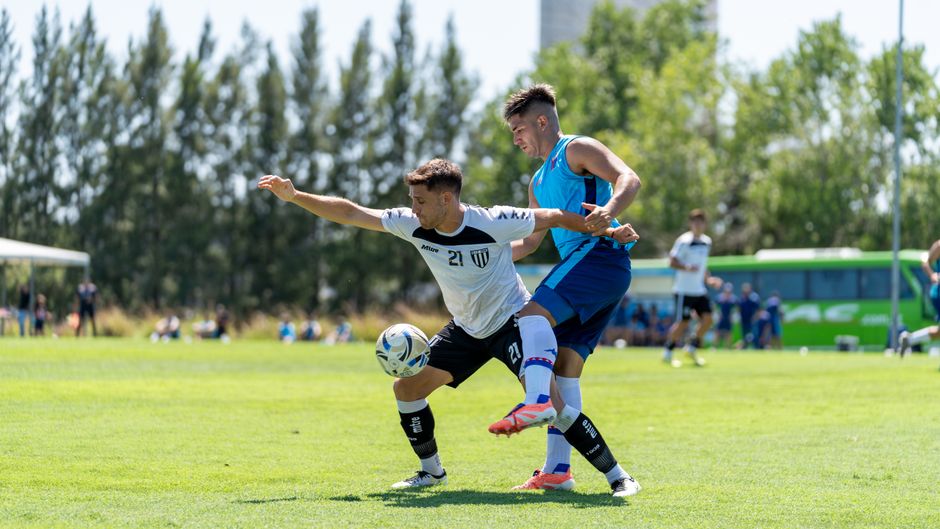
International college soccer recruiting works best as a four-part plan: build a realistic school list, contact coaches with a concise profile and match video, complete NCAA academic and amateurism reviews, then compare written aid offers against each school’s total cost. Start by organizing records from year nine onward and checking country-specific requirements; eligibility certification and coach interest do not guarantee admission or an affordable place.
How do I get recruited to play college soccer in the U.S. from another country?
To get recruited from another country, match your soccer and academic profile to a focused list of U.S. programs, then give coaches enough information to evaluate you. The NCAA says exposure through film and club participation matters, while academics are also part of recruiting decisions. A useful school list is not simply a ranking: it connects your playing level, intended degree, admission requirements, and likely family budget.
Use a simple tracker with columns for school, division, coach contact, academic fit, estimated total cost, application or recruiting calendar notes, and next follow-up. The NCAA notes that recruiting rules vary by division, sport, and grade level, so verify the rules that apply to each program rather than assuming one calendar fits every school. For Division I and II prospects, an Academic and Athletics Certification account with the NCAA Eligibility Center is generally needed.
Recruiting and admission are separate decisions. NCAA certification does not itself mean a college has admitted you, and coach interest does not guarantee a roster place or a particular aid package. Ask each program about admissions, degree options, cost of attendance, and financial aid while you evaluate the soccer opportunity.
When should an international soccer player start contacting U.S. college coaches?
An international soccer player can begin preparing and researching as early as year nine, but the NCAA’s 2026–27 guide says recruiting in most cases starts in year 11, the summer after year 10. Start early enough to assemble records and footage, then time messages and follow-ups around the relevant recruiting rules and your graduation year.
Work in stages. First, identify programs that fit your soccer level, school preferences, and budget. Next, prepare an initial email and video link, and make sure your academic records and NCAA registration are moving forward. After sending, record the date and a sensible follow-up date; account for time-zone differences by sending at a time that is convenient for the coach, not expecting an immediate response.
The NCAA guide advises prospects to check applicable recruiting calendars and reminders because communication rules vary. Coaches initiate many recruiting conversations, but a clear introduction gives them material to assess. If there is no reply, a brief follow-up with a meaningful update—such as a new match clip or academic result—makes it easier for the coach to process your message without repeating the full introduction.
What should I include in an email to a college soccer coach, and what video should I send?
Include your identity, position, graduation year, NCAA ID, relevant achievements, a short reason for contacting that program, and a direct link to match footage. The NCAA guide specifically recommends emailing coaches with achievements, highlight videos, and interest in their program, including your name, position, NCAA ID, and high school graduation year.
Use a compact structure that lowers the coach’s effort:
- Subject: “2027 international midfielder — [your name] — NCAA ID [number].”
- Opening: “I am a [position] graduating in [year] and am interested in [school] because [specific program or academic fit].”
- Evaluation details: Add your club, relevant achievements, academic information, and contact details.
- Video: Link to match footage that shows your decisions and play in context; identify your position or jersey so the coach can find you.
- Close: “Would you be available to review my video or advise whether my profile may fit your program?”
Match footage gives coaches more than a sequence of isolated highlights. NCSA recommends recruiting video for international prospects because coaches may not be able to see them compete in person, and its guidance emphasizes showing match play for evaluation. Keep the link easy to open, label it clearly, and check that it works before sending. The NCAA also identifies film and club participation as relevant exposure, so the video should support—not replace—a complete profile and follow-up.
What academic records and translations does the NCAA Eligibility Center require from international players?
International players should prepare official academic records covering year nine of schooling onward, in the original language, along with a certified line-by-line English translation and proof of graduation. The NCAA Eligibility Center says requirements and acceptable graduation evidence vary by country or educational system, so there is no single document checklist that fits every applicant.
Use this country-aware checklist before requesting documents:
- Collect official records from year nine onward in the original language.
- Arrange a complete, word-for-word certified English translation for records not issued in English.
- Obtain proof of graduation in the format accepted for your country or school system.
- Ask whether your case also needs year-eight records, a grading scale, course-completion dates, or other documents.
- Keep copies and track which records have been sent by the issuing school or authority.
For academic review, the NCAA states that international Division I and II prospects generally need 16 NCAA-approved core-course credits. The minimum core-course GPA is 2.3 for Division I and 2.2 for Division II. International students with solely international academic credentials are not subject to the Division I 10/7 core-course progression requirement. Because country-specific rules and acceptable graduation proof differ, use the Eligibility Center’s international requirements and confirm questions with the school’s compliance staff.
Academic eligibility is only one review. The NCAA amateurism process may examine professional-team payments, outside sponsorship, prize money, participation with professional teams, and other case-specific details. A semi-professional club does not by itself settle the outcome: disclose contracts, compensation, team status, and expenses, and preserve available contracts, receipts, financial records, and match records. The NCAA policy says contemporaneous documentation is weighed most heavily.
Before accepting an offer, compare the actual written terms. The NCAA says most student-athletes receive partial aid rather than a full ride, and colleges—not the NCAA—award athletics scholarships. Request a breakdown from the school that separates athletic aid from academic scholarships, need-based aid, and other institutional assistance. Put each offer into a table alongside tuition and fees, room and board, books, and the remaining amount your family would need to cover; confirm renewal conditions with the financial-aid or compliance office.
| Offer item | Question to ask |
|---|---|
| Athletic aid | What amount is covered, for what period, and under what written renewal terms? |
| Academic or other institutional aid | Is it separate from athletic aid, and what eligibility or renewal conditions apply? |
| Total attendance cost | What are the school’s full costs, including tuition, fees, room and board, and books? |
| Remaining family cost | After all confirmed aid, what amount remains for each year of attendance? |
Evaluate recruiting services with the same practical discipline. Ask for a written list of deliverables, timing, total fees, and any promised coach access; request a way to verify each claim. Then contact programs directly before paying. If the service cannot explain what it will deliver beyond what a prospect can do with a researched school list, tailored email, and working video link, the family has little basis for comparing its price with its value.
Frequently Asked Questions
Can playing for a semi-professional club affect my NCAA amateurism eligibility?
It can require review, but the club label alone does not decide eligibility. The NCAA may examine team status, contracts, salary or other compensation, and actual expenses, so disclose the full history and provide records such as contracts, receipts, and financial documents.
How can international recruits compare athletic scholarship offers with the full cost of attendance?
Ask each school for a written breakdown of tuition and fees, room and board, books, and other attendance costs, then list athletic aid separately from academic, need-based, and institutional aid. Ask the financial-aid or compliance office to clarify coverage and renewal terms before comparing the remaining amount you would need to pay.
How can I tell whether a recruiting agency or service is worth paying for?
Request a written list of deliverables, fees, timing, and any promised coach introductions, then ask how each claim can be verified. Compare that offer with direct outreach to programs using a targeted school list, a clear email, and match footage before paying.
What percentage of Division I men’s soccer players are international, and how should that affect my school list?
NCSA reports that international players made up 21.3% of Division I and II men’s soccer players in 2016–17, based on 2,664 of 12,500 players. That historical figure shows international recruits have been part of these rosters, but it is not a current estimate; check current school rosters and build a list across programs that fit your soccer, academic, and financial needs.
Sources
- NCAA Eligibility Center — International Student Initial Eligibility Requirements
- NCAA Eligibility Center — 2026-27 Guide for the College-Bound Student-Athlete
- NCAA Eligibility Center — 2025-26 Amateurism Certification Policies and Procedures
- NCAA — Scholarships & Financial Aid
- National Collegiate Athletic Association — NCAA Recruiting
- NCSA — How to Get Soccer Scholarships for International Students
Keep reading

Why Do Senior Golf Green-Fee Rates Vary So Much?
A practical guide to senior golf age rules, residency proof, weekday limits, online booking prices, and pass break-even math.
What Speedo Training Jammer Size Should I Buy When My Waist and Thighs Disagree?
Use waist, hip, thigh, and fabric checks to choose a Speedo training jammer when one labeled size does not fit every measurement.

What Are the Best Late Night Snacks for Weight Loss?
Choose a small, planned late-night snack that matches your craving and fits your daily calorie budget.
What Is the KFC Price List at Your Local Restaurant?
KFC prices vary by location; check local pickup and delivery carts for current menu prices, fees, and eligible deals.