
What Are the Best Late Night Snacks for Weight Loss?
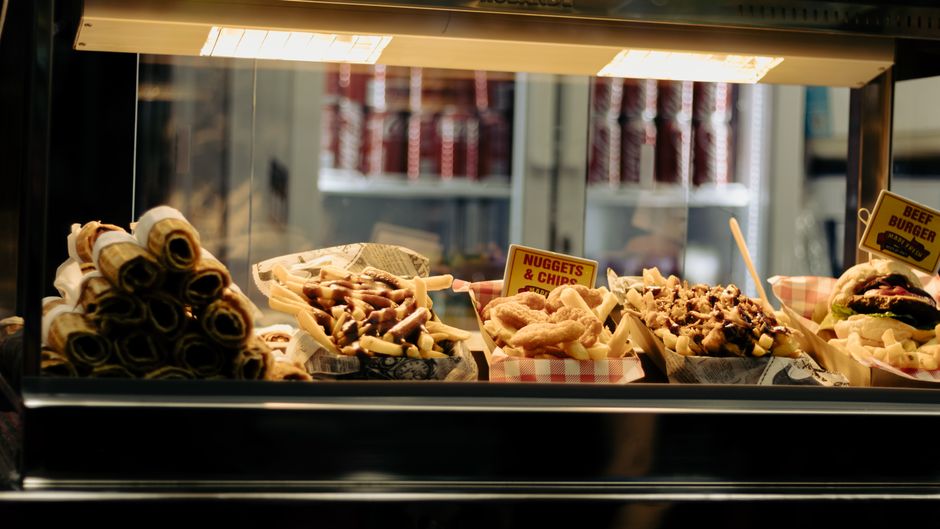
The best late night snacks for weight loss are small, planned portions that answer your craving and fit your daily calorie budget. Choose a protein-rich option for lasting fullness, fruit or yogurt for something sweet, and measured popcorn or vegetables for crunch. NHLBI guidance points to total energy balance, not the clock; a modest snack can fit, while recurring nighttime hunger calls for a look at daytime meals and sleep.
What is the best nighttime snack for weight loss?
The best nighttime snack for weight loss is one you can portion, enjoy, and include in your overall calorie budget. There is no single food that makes nighttime eating a weight-loss strategy, and no snack specifically targets belly fat.
Use the craving to narrow the choice. For sweet, try fruit or a measured serving of low-fat yogurt. For savory, try vegetables with a modest portion of a protein-rich food. For crunch, portion popcorn into a bowl rather than eating from a large bag. A no-prep option such as a piece of fruit is useful when convenience matters more than cooking.
Protein can make a snack more satisfying for some people, while fruit and vegetables add volume. The numbers below are approximate planning ranges, not universal values: serving size, brand, and preparation change calories and protein. Check the product label or USDA FoodData Central for the food and portion you actually choose.
| Craving or need | Portion to start with | Approximate calories | Approximate protein |
|---|---|---|---|
| Sweet, no prep | One medium apple | About 95 | About 0.5 g |
| Sweet, creamy | One 170 g container of plain low-fat Greek yogurt | About 100 | About 17 g |
| Savory, protein-rich | One large hard-boiled egg | About 78 | About 6 g |
| Crunchy | Three cups air-popped popcorn | About 90 | About 3 g |
| Fresh and light | One cup baby carrots | About 50 | About 1 g |
These examples are starting points, not prescribed servings. A larger portion, added oil, toppings, or a different brand changes the totals. Treat the portion as part of the day rather than an extra that does not count.
Can I eat at 10pm and still lose weight?
Yes, eating at 10 p.m. can fit weight loss if the snack fits your overall calorie needs. According to the National Heart, Lung, and Blood Institute, overweight and obesity can develop over time when calorie intake exceeds calories used. The clock does not erase that wider energy balance.
Timing still has context. A systematic review and meta-analysis by Young and colleagues included nine randomized trials and found that, within energy-reduced diets, emphasizing earlier intake was associated with 1.23 kg greater weight loss than later-focused intake. The authors also reported high variation between trials and called for further research. This result concerns a repeated pattern across the day, not proof that one late snack causes weight gain.
Make a 10 p.m. snack deliberate: select one option, portion it, and count it in the day's plan. If you are often hungry then, adjust the pattern earlier rather than treating the snack as a failure. A review by Kinsey and Ormsbee distinguished large nighttime mixed meals from small, nutrient-dense, lower-energy snacks; the evidence does not treat those as equivalent.
Should I eat if I'm hungry late at night?
If you are genuinely hungry late at night, a small planned snack can be more useful than lying awake hungry and then overeating later. Hunger is information, not a character test. Choose a modest serving with some protein or fiber, eat it without distractions if possible, and return to your usual routine.
Try a brief check before opening the cupboard. Ask whether you would eat a simple food, such as yogurt or fruit, or whether only a particular treat sounds appealing. Notice whether the urge follows a skipped meal, a long gap between meals, stress, or a nightly screen-time routine. This helps you choose a response without treating the check as a medical test.
When hunger recurs, look at the day's meals and sleep. The systematic review by Soltanieh and colleagues examined 50 randomized trials and found that sleep restriction was generally associated with increases in energy intake, appetite or hunger, eating occasions, and portion size. Persistent hunger can therefore reflect more than a late-night habit. A steady daytime meal pattern and enough sleep deserve attention alongside snack choice.
What can I eat at 2am when hungry that won't derail weight loss?
At 2 a.m., choose a simple, small snack that fits the remaining calorie budget; the time alone does not make a food incompatible with weight loss. Options that need little preparation include a piece of fruit, a small serving of plain yogurt, or a measured portion of ready-to-eat protein with vegetables.
Keep the choice easy to track. Put one serving on a plate or in a bowl, check the label when it is packaged, and avoid turning a snack into an open-ended meal. If you are tired, low-prep foods reduce the steps between hunger and a portioned choice. Skip claims that a food eaten at night will burn fat or reduce belly fat; the provided evidence does not support that promise.
Kinsey and Ormsbee's review describes small nighttime portions around 150 calories as not appearing harmful in the studies reviewed, while emphasizing that further research is needed. It also summarizes a small four-week study in which compliant participants given a structured post-dinner cereal-and-milk snack lost an average of 0.84 kg. That study does not prove the snack caused weight loss, and it is not a prescription for a 2 a.m. meal.
If 2 a.m. hunger happens repeatedly, use it as a cue to review whether daytime meals are adequate and whether sleep is restricted. A one-off snack can be a practical choice; a repeated pattern deserves a look at the routine behind it.
Frequently Asked Questions
Which easy snacks are filling but low in calories?
Try a single serving of low-fat yogurt, fruit, or vegetables, or pair a modest protein portion with produce. Check the package or USDA FoodData Central for the calories and protein in the exact food and portion, since values vary.
How can I tell whether late-night hunger is real hunger or a habit?
Pause and ask whether you would eat a simple, ordinary snack, or whether you want one specific treat while scrolling or winding down. If physical hunger remains, choose a measured snack; if it fades when the routine changes, the urge may be tied to habit or stress. This is a practical check, not a diagnosis.
Does eating at night cause weight gain if I stay within my calorie needs?
The NHLBI describes weight change in terms of energy balance over time, so the clock alone does not establish weight gain. A review of randomized trials found a modest advantage for earlier energy intake within energy-reduced diets, but that finding describes daily patterns and does not show that one occasional late snack causes weight gain.
Sources
Keep reading

Why Do Senior Golf Green-Fee Rates Vary So Much?
A practical guide to senior golf age rules, residency proof, weekday limits, online booking prices, and pass break-even math.

What Speedo Training Jammer Size Should I Buy When My Waist and Thighs Disagree?
Use waist, hip, thigh, and fabric checks to choose a Speedo training jammer when one labeled size does not fit every measurement.
What Is the KFC Price List at Your Local Restaurant?
KFC prices vary by location; check local pickup and delivery carts for current menu prices, fees, and eligible deals.

Should I Choose Jammers or Briefs for Lap Swimming?
Choose jammers or briefs for lap swimming based on coverage, stroke comfort, chafing risk, training fabric, drag, and race rules.