site-logo Site Logo

Transform Your Travel: Actionable Eco-Tourism Lifestyle Ideas for Sustainable Adventures

Article avatar image

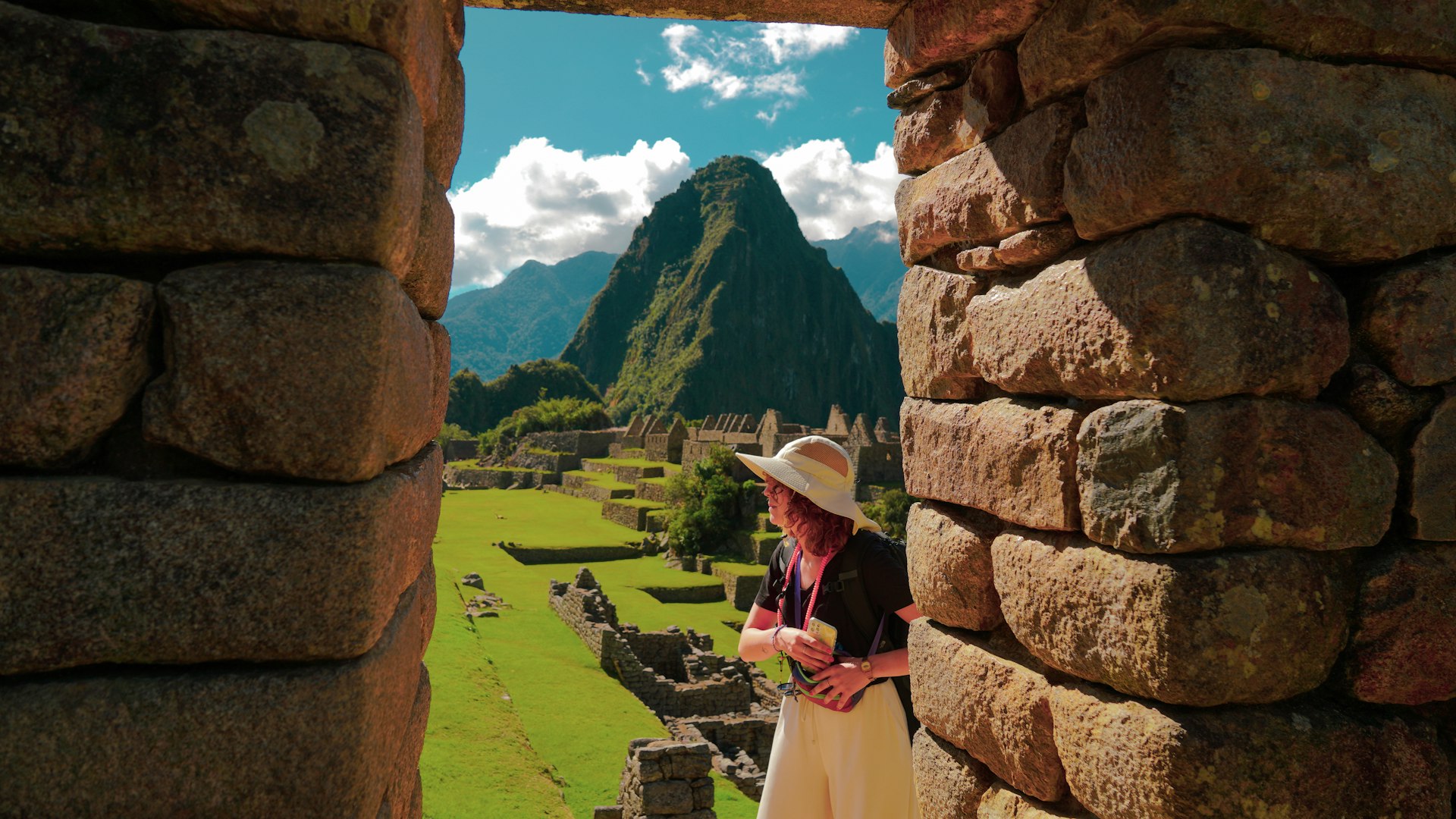
Photo by Sébastien vantroyen on Unsplash

Introduction to Eco-Tourism as a Lifestyle

Eco-tourism goes beyond vacationing-it’s a commitment to sustainability, environmental stewardship, and responsible travel. Adopting an eco-tourism lifestyle means making choices that benefit nature, local communities, and your own well-being. By integrating these principles into your travels and daily life, you can enjoy the world while supporting its preservation for future generations. This guide explores actionable eco-tourism lifestyle ideas, real-world examples, and steps to get started.

Eco-Tourism in Practice: Global Destinations and Initiatives

Leading eco-tourism projects demonstrate how tourism can directly support environmental and social goals. Consider these renowned examples:

  • Inkaterra Hotels, Peru : This hotel chain operates seven locations with a nature-based focus, employing local guides and protecting over 30,000 acres of rainforest. Their properties are carbon-neutral, integrating biodiversity research and local economic development. Guests participate in conservation activities, making travel a force for good [1] .
  • Grootbos Private Nature Reserve, South Africa : Grootbos combines conservation with community engagement through guided nature tours, whale watching, and sustainable agriculture. The reserve runs a horticulture college for unemployed youth, supports reforestation, and preserves unique vegetation [1] .
  • Misool Eco Resort, Indonesia : Located in a marine protected area, Misool employs locals, reinvests in education and conservation, and actively improves coral reef health. Guests can join marine conservation activities and support local projects [1] .
  • Feynan Ecolodge, Jordan : This solar-powered lodge, managed by EcoHotels, reflects ancient architecture and offers immersive nature experiences. The lodge partners with conservation groups and enables guests to reduce their carbon footprint, participate in local community activities, and learn about sustainability [2] .
  • Monteverde Cloud Forest Reserve, Costa Rica : Famous for biodiversity, the reserve offers trails and guided tours with a focus on conservation and education. Many eco-lodges in Costa Rica use renewable energy and practice responsible water management, providing models for sustainable hospitality [3] .

Actionable Eco-Tourism Lifestyle Ideas

Embracing an eco-tourism lifestyle involves conscious decisions before, during, and after travel. Here are practical, step-by-step ideas to integrate sustainability into your adventures and daily routine:

1. Choose Responsible Destinations and Accommodations

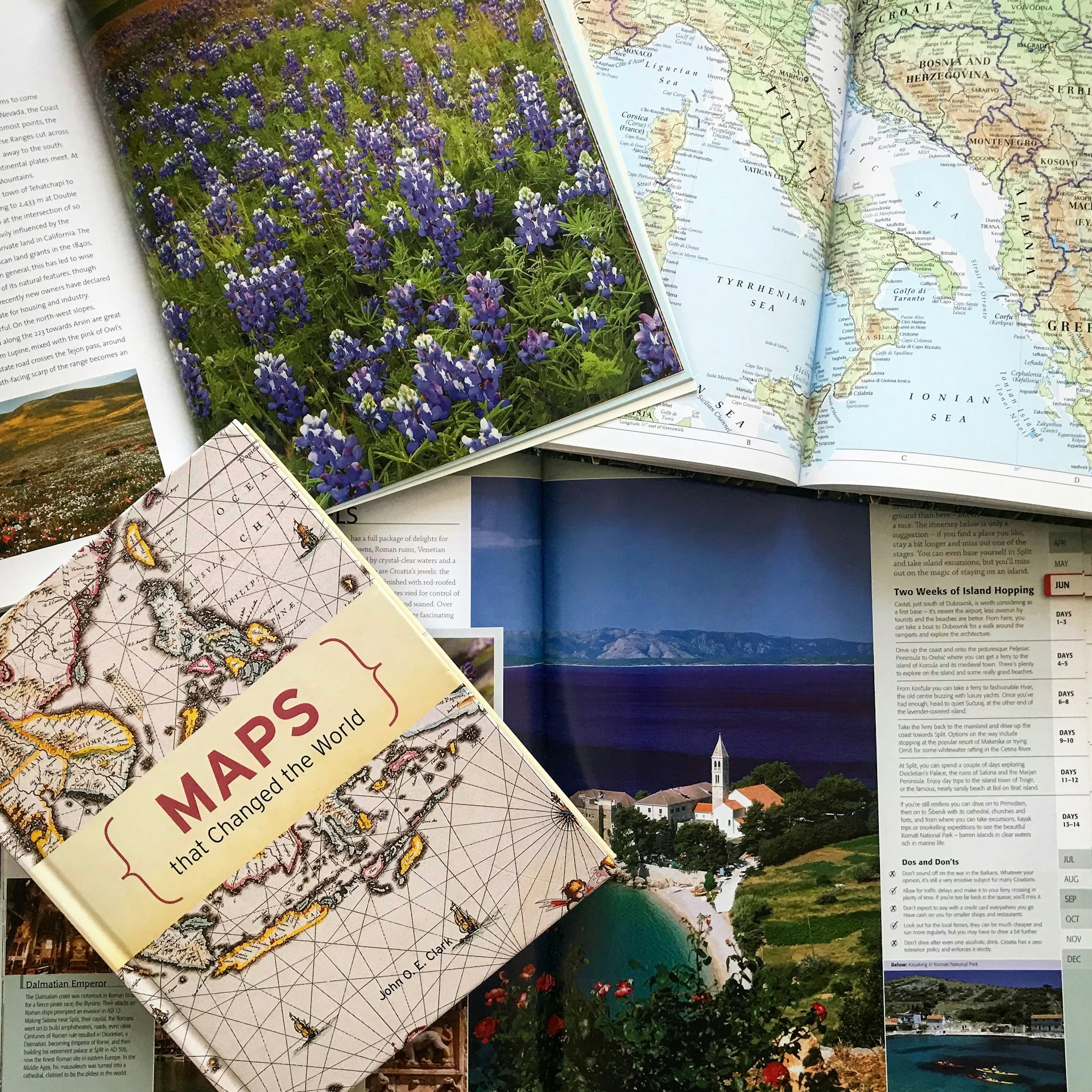
Research destinations and lodgings that prioritize environmental protection and community engagement. Look for certifications from organizations such as Green Globe, Rainforest Alliance, or local conservation groups. When uncertain about specific programs, contact travel associations or search for ‘eco-certified hotels’ in your region.

Implementation Steps:

Article related image

Photo by Vitaly Gariev on Unsplash

  1. Identify eco-friendly destinations by reviewing trusted travel resources and sustainability rankings.
  2. Contact hotels directly or visit their official websites to inquire about their environmental policies and community initiatives.
  3. Ask about opportunities to participate in conservation activities or local volunteer programs during your stay.

Alternative Approaches: If you cannot verify eco-certification, choose small, locally owned accommodations that demonstrate sustainable practices such as solar power, recycling, and local sourcing.

2. Support Local Communities

Eco-tourism strengthens local economies by hiring residents, purchasing local goods, and supporting cultural projects. Prioritize tour operators and guides who are part of the local community and whose businesses reinvest in education or conservation.

Implementation Steps:

  1. When booking tours, ask about the company’s ownership and community involvement.
  2. Shop at local markets and eat at family-owned restaurants to ensure your spending benefits residents.
  3. Participate in cultural exchanges or educational workshops offered by local organizations.

Potential Challenges: In regions with limited transparency, request references or reviews from previous travelers or consult reputable travel forums for guidance.

3. Minimize Your Environmental Footprint

Adopt travel habits that reduce waste, conserve energy, and protect ecosystems. Carry reusable water bottles, use public transportation or bike rentals, and avoid single-use plastics. Some resorts, like Bom Bom Water Project in Príncipe, offer innovative recycling programs and water stations to reduce plastic waste [2] .

Implementation Steps:

  1. Pack reusable items and eco-friendly toiletries before your trip.
  2. Choose tours and activities that prioritize small group sizes and low-impact exploration.
  3. Dispose of waste responsibly and support recycling initiatives wherever available.

Alternative Approaches: If you cannot access recycling facilities, bring waste home for proper disposal or seek out local sustainability programs.

4. Engage in Conservation and Education Activities

Many eco-tourism destinations offer hands-on conservation programs, such as tree planting, wildlife monitoring, or marine restoration. Grootbos in South Africa and Chumbe Island Coral Park in Tanzania provide opportunities for guests to participate in environmental education and habitat protection [1] .

Implementation Steps:

  1. Ask your host or tour operator about available conservation activities.
  2. Volunteer for local projects or donate to nonprofit organizations supporting biodiversity and community development.
  3. Attend workshops or guided tours that teach about local ecosystems and sustainable practices.

Potential Challenges: Language barriers or limited availability may exist. In these cases, consult online travel communities or search for ‘volunteer conservation programs’ in your destination.

5. Practice Responsible Water and Energy Use

Eco-friendly lodgings often use solar power, rainwater harvesting, and energy-saving technologies. Six Senses Resort in Fiji, for example, powers its entire facility with solar energy and provides efficient water filtration, encouraging guests to minimize usage and avoid plastic bottles [2] .

Implementation Steps:

  1. Choose accommodations with renewable energy sources and water-saving systems.
  2. Reduce water and electricity consumption during your stay by taking shorter showers and turning off lights when not in use.
  3. Follow posted guidelines for sustainable living and ask staff about their environmental practices.

Alternative Approaches: In areas without developed infrastructure, use portable solar chargers and practice mindful resource use.

6. Continue Your Eco-Tourism Lifestyle at Home

Bring the principles of eco-tourism into your everyday life. Support local conservation efforts, reduce waste, and promote sustainability in your community. Share your experiences to inspire others and advocate for responsible travel.

Implementation Steps:

  1. Join local environmental organizations and participate in community clean-ups.
  2. Support sustainable businesses and encourage friends and family to adopt eco-friendly habits.
  3. Stay informed about global sustainability trends by subscribing to reputable travel and environmental publications.

Potential Challenges: Access to resources may vary. Search for ‘local environmental groups’ or consult your city’s official website for opportunities.

Key Takeaways and Getting Started

Eco-tourism is not just about where you travel-it’s about how you travel and the impact you leave behind. By choosing responsible destinations, supporting local communities, minimizing your footprint, engaging in conservation, and practicing sustainability at home, you can transform your adventures into meaningful contributions to the planet.

How to Begin: Start by researching verified eco-friendly destinations using trusted travel guides or organization websites. Contact local tourism boards or sustainability groups for recommendations, and plan your next trip with a focus on positive impact. When in doubt, seek advice from experienced eco-travelers through online forums or community platforms.

References

Luxury Eco Lodges and Sustainable Resorts: Indulge Responsibly in Paradise
Master Long-Term Travel Budgeting: Proven Strategies to Travel Indefinitely Without Breaking the Bank
Eco-Friendly Airlines and Carbon Offset Travel: Fly Green in 2024
Underwater Hotels and Marine Tourism: Dive into Unforgettable Ocean Adventures
Ultimate Guide to Glamping Experiences in Remote Locations
Ultimate UNESCO World Heritage Travel Itineraries: Explore Iconic Sites Worldwide
Discover Slow Travel Destinations for Mindful Tourism: Immerse Yourself in Authentic Experiences
Mastering Your Travel Budget: Step-by-Step Planning for Stress-Free Adventures
Understanding the Latest Travel Advisory for Mexico: What Every Traveler Should Know
Expert Guidance: Where Should You Travel in 2025? Top Destinations, Trends, and Planning Tips
Step-by-Step Guide to Creating an Effective Travel Brochure
Essential Safety Guide for Travelers: Visiting Paris in 2025