
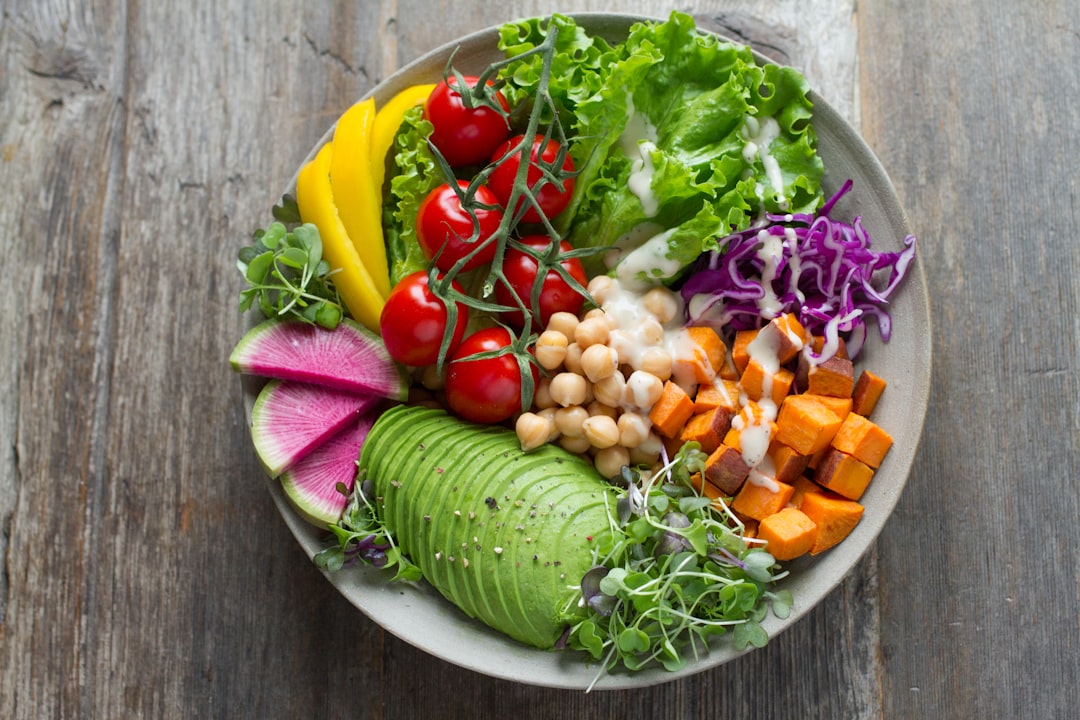
Mediterranean Diet to Reverse Fatty Liver Disease
In 1958, epidemiologist Ancel Keys boarded a research vessel bound for the Greek island of Crete and found something that would outlast every fad diet that followed: villagers eating olive oil, legumes, and fish carried remarkably low rates of heart disease. Six decades later, that same eating pattern addresses a different organ under the same metabolic pressure. When fat accumulates past 5% of liver weight, doctors classify the condition as steatotic liver disease. The American Liver Foundation estimates roughly 100 million Americans, about one in four, now live with metabolic dysfunction-associated steatotic liver disease (MASLD). The mechanism is not mysterious. Excess calories, especially from fructose and saturated fat, deposit in hepatocytes faster than the liver can export them. The Mediterranean diet reverses that deposit by changing what enters the bloodstream, not by cleansing anything.
Can Diet Alone Reverse Fatty Liver?
Yes, for many people, diet alone can reverse fatty liver, though the degree of reversal depends on how much fat has accumulated and whether inflammation has progressed to scarring. The Cleveland Clinic notes that weight loss, healthy eating, and exercise can reverse fatty liver disease when caught before advanced fibrosis develops. This is not to say medication never matters. The Mayo Clinic reports FDA-approved treatments such as resmetirom and semaglutide for MASH with moderate to severe scarring. But for the majority of MASLD cases, food choices remain the first and most durable intervention.
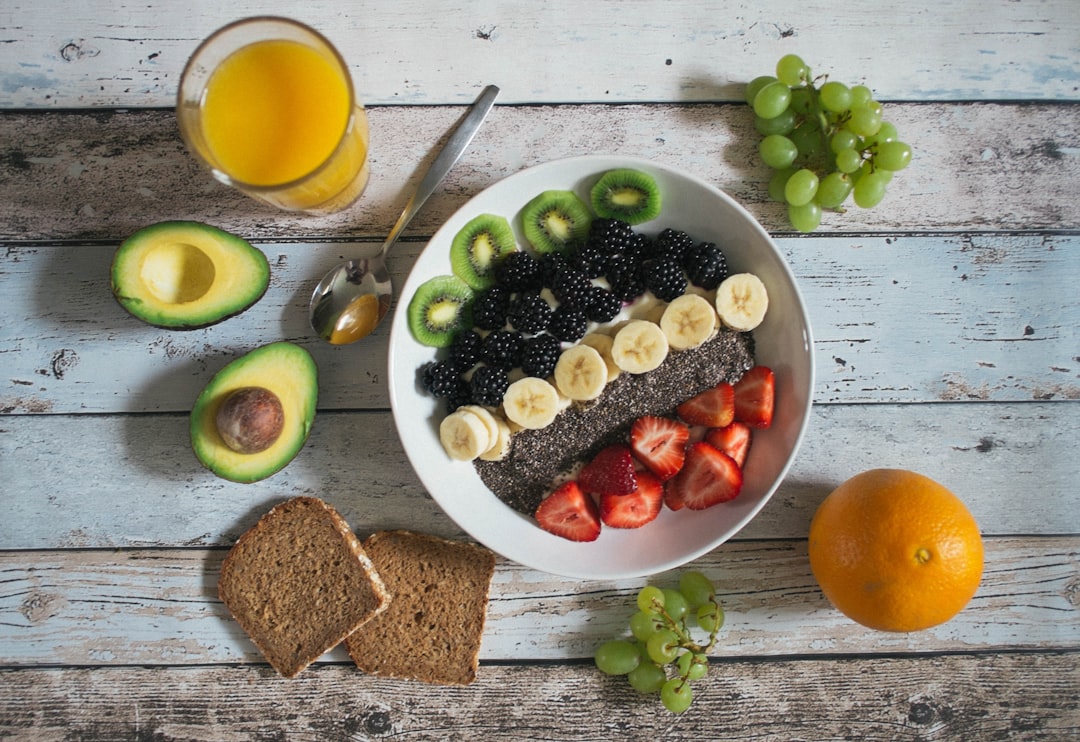
According to the Mayo Clinic, the Mediterranean diet works on two tracks simultaneously. It helps you lose weight, and it delivers antioxidants and anti-inflammatory polyphenols that reduce liver fat even when the scale barely moves. A 2025 meta-analysis in European Journal of Nutrition found the Mediterranean diet reduced ALT levels by 2.93 IU/L and suggested hepatic improvements may occur independently of weight loss, driven by virgin olive oil, polyunsaturated fats, and polyphenols rather than calorie deficit alone.
"The Mediterranean diet is recommended for people who have MASLD. Eating a Mediterranean diet can help you lose weight. Losing 5% to 10% of body weight can significantly improve MASLD. But even without weight loss, the Mediterranean diet is a powerful tool against liver disease."
Diet is the lever. Weight loss is one outcome of pulling it. Polyphenol intake is another, and both operate through separate biochemical pathways.
How Much Weight Must You Lose?
What number on the scale actually moves liver fat? The targets are specific, not aspirational. The American Liver Foundation identifies 5% to 10% of body weight as the effective range for reducing liver fat. The Mayo Clinic treatment guidelines go further: losing 10% or more of body weight is typically recommended for maximum benefit, though even 3% to 5% of starting weight produces measurable improvements.
"Typically, losing 10% of your body weight or more is recommended. But losing even 3% to 5% of your starting weight can have benefits."
For a 200-pound person, that means 10 to 20 pounds, not 50. A 2025 systematic review in BMC Medicine analyzing 37 randomized controlled trials found the Mediterranean diet alone reduced body weight by 2.38 kg and ALT by 3.96 IU/L over intervention periods ranging from three to 24 months. Gradual loss matters. The NIDDK recommends gradual weight loss rather than crash dieting, because rapid weight loss can temporarily worsen liver enzyme levels.
How Long Does Reversal Take?
There is no fixed calendar. A two-year Mediterranean lifestyle intervention published in Foods in 2025 showed sustained improvements in liver health markers among patients with higher diet adherence. Shorter trials of 12 weeks demonstrate measurable reductions in liver fat content of 15% to 20% with structured calorie restriction. Expect months, not days. Track liver enzymes and imaging with your physician rather than assuming a 7-day meal plan alone completes the work.
What to Eat: A Science-Backed Food List
The Mediterranean diet is not a single recipe. It is a ratio: roughly 40% carbohydrates from whole grains and legumes, 20% protein from fish and plants, and 40% fat dominated by monounsaturated sources. The Mayo Clinic specifies daily minimums of at least three servings of vegetables, two servings of fruit, and three or more servings of fish or seafood per week, supplemented by whole grains, legumes, nuts, and olive oil as the primary cooking fat.
The NIDDK advises replacing saturated and trans fats with unsaturated fats, especially omega-3 fatty acids, and choosing low-glycemic-index foods such as most fruits, vegetables, and whole grains. The Cleveland Clinic adds a practical floor: at least 150 minutes of exercise per week, because movement helps the liver process lipids even when diet does the heavy lifting.
A 7-Day Mediterranean Framework for Fatty Liver
This is not a prescription. It is a repeatable structure you can rotate weekly.
- Day 1: Greek yogurt with walnuts and berries; lentil soup with olive oil; grilled salmon, roasted zucchini, and quinoa.
- Day 2: Oatmeal with sliced apple; chickpea salad with tomatoes and cucumber; baked cod with steamed broccoli and brown rice.
- Day 3: Whole-grain toast with avocado; white bean and kale stew; sardines on a mixed green salad with olive oil dressing.
- Day 4: Soft-boiled eggs with sautéed spinach; minestrone with whole-grain bread; chicken breast with roasted peppers and farro.
- Day 5: Smoothie with spinach, banana, and flaxseed; tabbouleh with hummus; shrimp stir-fry with bell peppers over barley.
- Day 6: Cottage cheese with melon; black bean soup; mackerel with asparagus and sweet potato.
- Day 7: Frittata with mushrooms and herbs; Mediterranean grain bowl with falafel and tahini; vegetable ratatouille with polenta.
Each meal prioritizes fiber, unsaturated fat, and lean protein because those three nutrients reduce hepatic de novo lipogenesis, the process by which the liver manufactures fat from excess carbohydrate.
Is Coffee Good for Fatty Liver?
Black coffee belongs on the allowed list, not the avoid list. The Mayo Clinic identifies polyphenols in black coffee, green tea, and walnuts as compounds that reduce liver fat through antioxidant and anti-inflammatory action. Its treatment guidelines add that caffeinated coffee may reduce the risk of liver diseases and lower the chance of scarring. The mechanism involves chlorogenic acids and other polyphenols that modulate oxidative stress in hepatocytes. This is not permission for sugar-laden coffee drinks. A 12-ounce fructose-sweetened latte delivers the simple sugars the NIDDK explicitly warns against.
What Foods Make Fatty Liver Worse?
Some foods deposit fat in the liver directly. Others trigger the insulin spikes that tell the liver to store it. The Mayo Clinic diet guidance lists the primary offenders: highly processed foods, sugary drinks, refined carbohydrates, saturated fat, red and processed meats, and alcohol, which should be eliminated entirely for MASLD patients. The NIDDK singles out fructose-heavy beverages, including sodas, sports drinks, sweetened tea, and fruit juices, because fructose bypasses normal glycemic regulation and drives hepatic fat synthesis.
The American Liver Foundation is direct about liver detox diets and cleanses: they are a myth. The liver eliminates toxins without special teas or supplement protocols. Products marketed as detoxifiers have no proven benefit and, according to the Mayo Clinic supplements guidance, some can actually harm the liver.
Intermittent Fasting and Supplements: What the Evidence Actually Shows
Is intermittent fasting a shortcut around the Mediterranean diet? A 2024 randomized trial in the American Journal of Clinical Nutrition compared intermittent calorie restriction with continuous restriction over 12 weeks in 60 adults with MASLD. Liver fat content dropped 20.5% in the intermittent group and 15.5% in the continuous group, with no statistically significant difference between them. A 2026 meta-analysis in Frontiers in Nutrition reached a similar conclusion: intermittent fasting and continuous energy restriction produce comparable hepatic outcomes. Intermittent fasting works when it reduces total calories and improves metabolic markers, not because fasting windows possess independent magic.
What about vitamin E and milk thistle? The Mayo Clinic supplements page states that vitamin E may boost the liver's natural antioxidants and reduce inflammation in people without type 2 diabetes, but it is not recommended for those with serious liver scarring or diabetes. Omega-3 fatty acids from fish oil may reduce liver fat, though research remains mixed. Milk thistle is generally safe but has not proved effective for improving liver health. Vitamins and supplements cannot cure MASLD and are not substitutes for the eating pattern and movement habits that actually change liver composition.
Detox teas fail on two counts. They do not remove liver fat, and they distract from the behavioral mechanism that does. Supplements address symptoms of metabolic dysfunction. The Mediterranean diet addresses the dysfunction itself.
Putting the Mechanism to Work
Fatty liver is not a verdict. It is a measurement: more than 5% to 10% of liver weight as fat, according to the American Liver Foundation. Reversal requires the same principle Keys observed in Crete, applied to a modern metabolic crisis. Eat vegetables, fish, legumes, and olive oil. Eliminate fructose-sweetened drinks and alcohol. Lose 5% to 10% of body weight gradually. Move 150 minutes weekly. Drink black coffee if you tolerate caffeine. Ignore detox marketing.
MASLD is the most common liver disease in children and has more than doubled over the past 20 years, yet the Cleveland Clinic notes that heart disease, not liver failure, remains the leading cause of death in people with this condition. Treating the liver through Mediterranean eating protects the organ that kills most slowly and the heart that kills most often. Start with one week of the framework above. Measure progress at three months with your physician, not with a cleanse kit.