
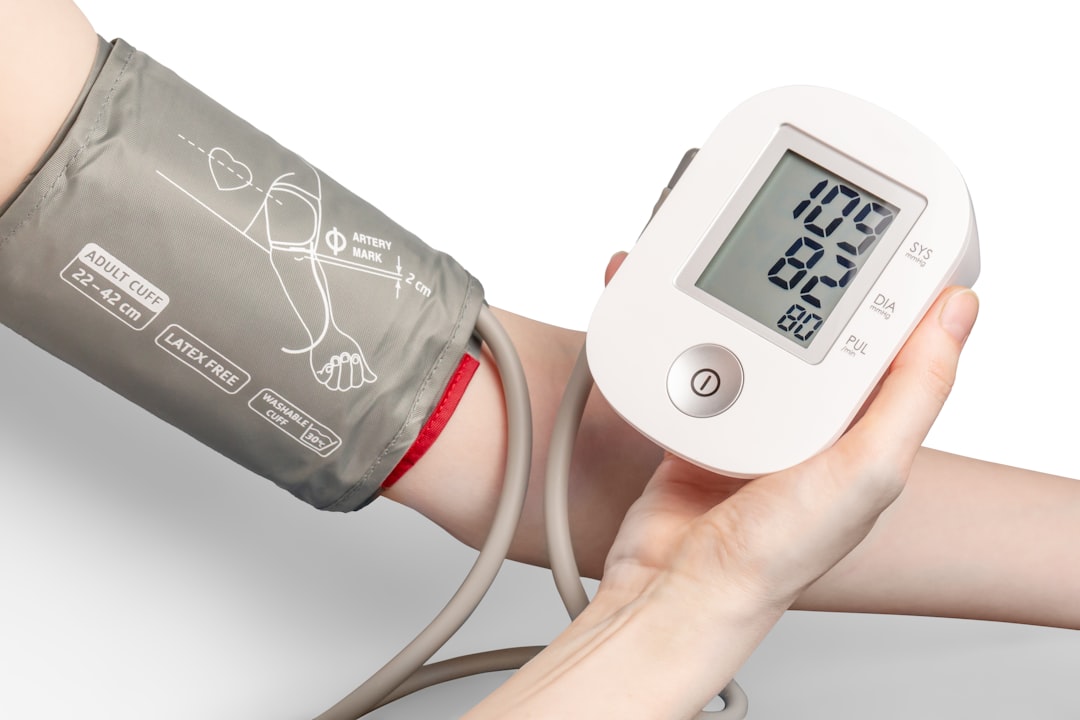
Lower Blood Pressure Naturally: What Actually Works
In September 1997, researchers at Johns Hopkins began feeding 412 adults a controlled diet they called DASH—Dietary Approaches to Stop Hypertension. Lawrence J. Appel and colleagues did not hand out pills. They handed out plates. Within one week, systolic blood pressure dropped an average of 4.36 mmHg on the DASH pattern compared to a typical American control diet. Most of the benefit arrived before the four-week mark. Blood pressure is not a character trait. It is a response to what you eat, how you move, and what you weigh.
This article ranks the lifestyle mechanisms that produce measurable reductions—not vague wellness advice—and answers the questions most people ask when a cuff reading comes back high.
Can You Lower Blood Pressure in a Week?
Yes, partially. But a week is a starting point, not a finish line.
According to a 2017 analysis of the original DASH-Sodium trial data published in Hypertension, the DASH eating pattern lowered systolic blood pressure by 4.36 mmHg and diastolic by 1.07 mmHg after just seven days. That accounted for most of the total effect observed over four weeks. Sodium reduction, by contrast, produced a progressive weekly decline on a typical American diet—roughly 0.94 mmHg per week for systolic pressure—and did not fully plateau within four weeks.
The mechanism is straightforward. DASH increases potassium, calcium, magnesium, and fiber while reducing saturated fat and sodium. Potassium pushes sodium out through urine. Magnesium helps blood vessel walls relax. The National Heart, Lung, and Blood Institute (NHLBI) designed the plan to require no special foods: 4–5 daily servings each of vegetables and fruits, 6–8 grains, 2–3 low-fat dairy, and no more than 6 ounces of lean meat, poultry, or fish.
This is not to say you will normalize stage 2 hypertension in seven days. It is to say the first measurable shift can appear before your next grocery run.
What Is the DASH Diet, and How Much Does It Lower BP?
DASH is not a branded product. DASH is a pattern: vegetables, fruits, whole grains, fat-free or low-fat dairy, fish, poultry, beans, nuts, and vegetable oils—low in saturated fat, sweets, and added sodium.
The original DASH trial, completed in 1999, found the diet alone reduced systolic blood pressure by an average of 5.5 mmHg and diastolic by 3.0 mmHg. The follow-up DASH-Sodium trial tested three sodium levels against two dietary patterns. As the NHLBI BioLINCC DASH-Sodium archive reports, compared to a higher-sodium control diet, DASH reduced systolic pressure by 5.9, 7.2, and 8.9 mmHg at higher, intermediate, and lower sodium intakes respectively.
"Compared to the higher sodium control diet, the DASH diet reduced systolic blood pressure by an average of 5.9, 7.2, and 8.9 mm Hg for the higher, intermediate and lower sodium intakes respectively."
Combine DASH with low sodium and the numbers climb further. In participants with hypertension, mean systolic pressure fell 11.5 mmHg below the high-sodium control diet. Among those with baseline systolic pressure at or above 150 mmHg, the low-sodium DASH combination produced reductions up to 20.8 mmHg.
The NHLBI sets a sodium target of 2,300 mg per day. Reducing further to 1,500 mg lowers blood pressure even more—a distinction the institute states plainly in its DASH eating plan guidance.
How Much Sodium Should You Eat—and Where Does It Hide?
Your body needs sodium to function. Too much sodium stiffens the system.
The Centers for Disease Control and Prevention (CDC) reports that Americans consume more than 3,300 mg of sodium daily on average—well above the federal recommendation of less than 2,300 mg. One teaspoon of table salt alone contains about 2,400 mg. Most of that sodium does not come from the shaker on your kitchen table. It comes from sandwiches, pizza, soups, cold cuts, bread, and savory snacks.
Reducing sodium from high to low levels on a typical American diet lowered systolic blood pressure by 6.7 mmHg in the DASH-Sodium trial. At the population level, the CDC notes that a 5 mmHg reduction in systolic pressure could prevent 14% of stroke deaths and 9% of coronary heart disease deaths.
Read labels for sodium per serving, not just calories. Compare brands of bread and canned goods—two of the largest hidden sources. Cook more meals at home where you control the salt. This is not abstinence. This is accounting.
Does Potassium Help—and Should You Take Supplements?
Sodium raises pressure by retaining fluid. Potassium lowers pressure by expelling sodium and easing tension in vessel walls. They operate on the same lever from opposite sides.
The American Heart Association (AHA) recommends 3,500 to 5,000 mg of potassium daily, ideally from food, for adults trying to prevent or treat high blood pressure. DASH naturally delivers potassium through bananas (451 mg each), sweet potatoes, spinach, yogurt, and fish.
Of course, supplements are a different mechanism with different risks. A meta-analysis cited by the Harvard T.H. Chan School of Public Health found that potassium supplements (782–4,692 mg/day) and potassium-based salt substitutes significantly decreased blood pressure compared to placebo, especially in people with hypertension. Higher potassium intake was associated with a 24% lower risk of stroke. For every 1,000 mg increase in urinary potassium per day, cardiovascular disease risk fell 18%.
This is not to say everyone should buy pills. People with kidney disease, certain medications, or electrolyte imbalances can face serious harm from unsupervised potassium supplementation. Food first. Physician consultation before pills.
How Much Does Losing Weight Lower Blood Pressure?
Weight and blood pressure share a linear relationship backed by numbers, not hope.
A 2003 meta-analysis of 25 randomized controlled trials with 4,874 participants, published in the AHA journal Hypertension, found that a net weight reduction of 5.1 kg lowered systolic blood pressure by 4.44 mmHg and diastolic by 3.57 mmHg. Each kilogram lost produced roughly 1.05 mmHg systolic and 0.92 mmHg diastolic reduction. Groups losing more than 5 kg saw systolic drops of 6.63 mmHg—more than double the 2.70 mmHg seen in those losing less.
Weight loss of 4.5 kg or more lowered blood pressure to a degree comparable to low-dose chlorthalidone (25 mg) or atenolol (50 mg). The mechanism: less tissue mass means less demand on the heart and less pressure on vessel walls. The 2025 AHA guideline recommends at least a 5% body weight reduction for adults with overweight or obesity as part of first-line care.
How Much Exercise Do You Need?
Exercise lowers blood pressure through three channels: it strengthens the heart, reduces body weight, and blunts stress hormones that constrict arteries.
The AHA recommends at least 150 minutes per week of moderate-intensity aerobic activity or 75 minutes of vigorous activity. Meta-analyses cited by the AHA show aerobic exercise lowers resting systolic blood pressure by 5–8 mmHg in people with hypertension. The 2017 Hypertension Clinical Practice Guidelines add 90–150 minutes per week of dynamic resistance training—weights, bands, bodyweight circuits—alongside aerobic work.
Aerobic exercise moves blood. Resistance training maintains muscle that supports metabolic rate during weight loss. Isometric holds like planks add a third modality the AHA endorses. Under 150 minutes per week produces minimal weight change; 225–420 minutes supports the 5–7.5 kg loss range that produces the largest blood pressure drops.
DASH vs. Mediterranean: Which Diet Wins?
Both patterns beat salt restriction alone. They do not tie on every measure.
A 2023 randomized trial by Filippou and colleagues, published in Clinical Nutrition, assigned 240 never-medicated adults with high-normal or grade 1 hypertension to control, salt restriction, DASH plus salt restriction, or Mediterranean diet plus salt restriction. On a background of salt restriction, the Mediterranean diet produced superior office systolic reductions versus DASH (mean difference: −3.2 mmHg, p<0.001). Both DASH and Mediterranean diets reduced blood pressure more than salt restriction alone. Mediterranean diet versus control produced a mean systolic difference of −15.1 mmHg over three months.
For 24-hour ambulatory blood pressure and diastolic readings, the two diets did not differ significantly. DASH remains the most studied pattern specifically designed for hypertension. Mediterranean eating adds olive oil, fish, and regional food traditions that some people sustain more easily. Choose the pattern you will maintain for months, not the one that wins a single endpoint on a spreadsheet.
Ranking Lifestyle Changes by Blood Pressure Impact
Not all interventions carry equal weight. Based on the trials cited above, approximate systolic reductions for adults with elevated blood pressure rank as follows:
- Combined low-sodium DASH diet: up to 11.5 mmHg (hypertensive adults) to 20.8 mmHg (baseline SBP ≥150 mmHg)
- Sodium reduction alone (high to low): ~6.7 mmHg on a typical American diet
- DASH diet alone: ~5.5 mmHg systolic
- Regular aerobic exercise: 5–8 mmHg systolic
- Weight loss (~5 kg): ~4.4 mmHg systolic (~1 mmHg per kg)
- Increased dietary potassium: meaningful reductions, especially with hypertension; stroke risk down 24% at adequate intake
Stacking interventions produces additive effects. Reducing sodium while eating DASH foods, walking 30 minutes five days a week, and losing five kilograms addresses blood pressure from four independent mechanisms simultaneously.
What Foods Lower Blood Pressure Quickly?
No single food acts like a drug within hours. But potassium-rich, low-sodium foods shift the sodium-potassium ratio fast enough to matter within days. Prioritize leafy greens, sweet potatoes, white beans, yogurt, bananas, and fatty fish. Replace processed snacks with unsalted nuts. Swap deli meat sandwiches for meals built around vegetables and legumes—the core DASH structure the NHLBI has validated since 1997.
Lowering blood pressure naturally is not a single decision. It is a set of calibrated inputs. Start with sodium below 2,300 mg, adopt the DASH food pattern, walk 150 minutes this week, and weigh yourself once. Measure your pressure again in seven days. The number on the cuff will tell you whether the mechanism is working.