
How to Improve Gut Health Naturally
In 1683, Antonie van Leeuwenhoek scraped his own teeth and placed the sample under a lens he had ground by hand. He saw what he called animalcules — living creatures smaller than anything his contemporaries believed could exist. Those organisms, we now call them bacteria, colonize your gastrointestinal tract in numbers that dwarf the human population of Earth. According to Harvard Health Publishing, the human gut hosts approximately 100 trillion microorganisms collectively known as the gut microbiome. Van Leeuwenhoek had no mechanism to explain what he saw. You have one: feed the ecosystem, protect its diversity, and stop poisoning it with habits that strip its resilience.
This article answers the questions most readers bring to a gastroenterologist's office — how much fiber you need, whether probiotics work, what stress does to digestion, and how long dietary changes take to show results. The approach is food-first, evidence-backed, and gradual.
What Your Gut Actually Needs
How do you improve gut health without a supplement aisle? You treat the microbiome as infrastructure, not decoration. Infrastructure requires materials and maintenance. Materials come from fiber and fermented foods. Maintenance comes from hydration, sleep, movement, and stress management.
UCLA Health frames gut restoration around two measurable goals: increase probiotic diversity through fermented foods, and feed those microbes with prebiotic fiber. An estimated 70% of the immune system resides in the gut, and its function depends on the well-being of gut flora. Neglect the flora, and immunity follows. Nurture it, and downstream benefits — mineral absorption, blood sugar regulation, bowel regularity — follow the same chain.
This is not to say every person needs identical foods. BBC Food reports that unrelated people share no more than 30% of the same bacterial strains. Gut health is individualized. The mechanism still holds: diversity in plant intake produces diversity in microbial populations.
Fiber: The Best Tool for Constipation and Regularity
What is the best fiber for constipation? The honest answer splits into two functional categories, because fiber is not a single substance.
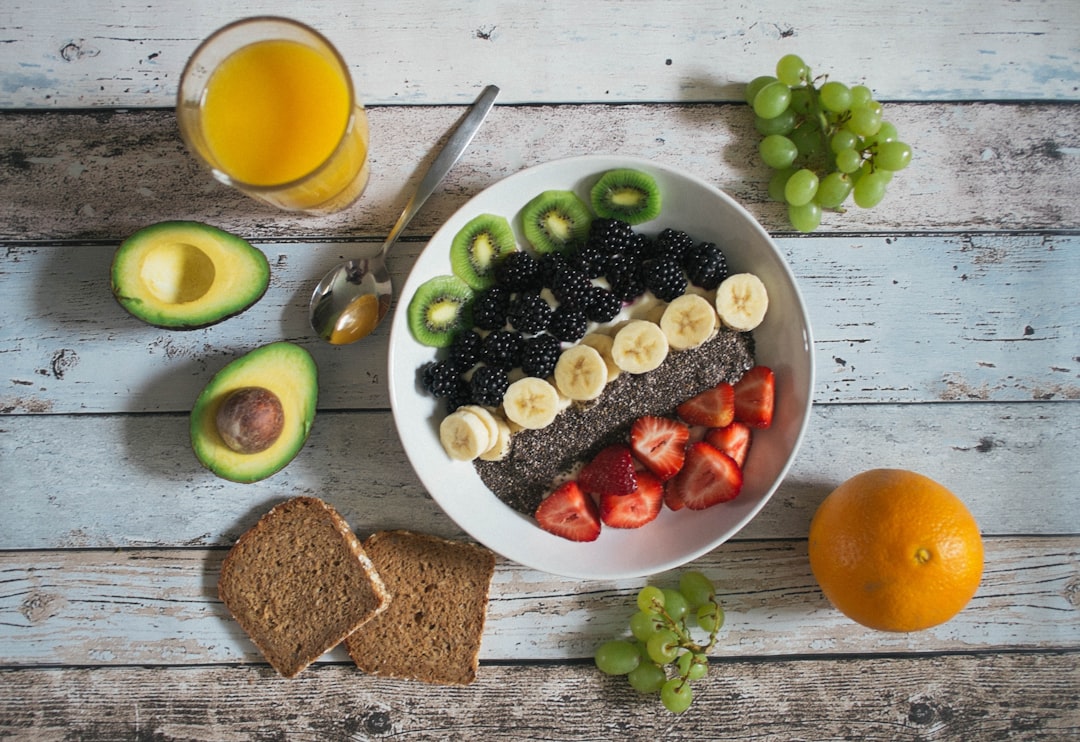
The Centers for Disease Control and Prevention distinguishes soluble fiber — found in apples, bananas, oats, and beans — which dissolves in water and forms a gel that softens stool and moderates blood sugar. Insoluble fiber — in whole wheat flour, bran, nuts, seeds, and fruit skins — adds bulk and accelerates transit through the colon. The CDC notes that fiber acts like a scrub brush, cleaning the digestive tract and reducing colon cancer risk. For chronic constipation, Mayo Clinic Press recommends working up to 25–30 grams daily for women and 30–38 grams for men.
How much fiber do you need daily for bowel regularity? The Dietary Guidelines for Americans, 2020–2025, set the target at 22 to 34 grams depending on age and sex. Most U.S. adults consume roughly half that amount. The UK recommendation, cited by BBC Food, is at least 30 grams per day — and increasing intake by as little as 6 grams daily has been shown to alter gut bacteria composition.
Introduce fiber gradually. Monash University's Department of Gastroenterology clarifies that a prebiotic is a type of fiber, but not all fiber qualifies as prebiotic. To earn that classification, the fiber must pass through the GI tract undigested and stimulate growth of beneficial bacteria in the large intestine. High-prebiotic foods include garlic, onion, leek, asparagus, chicory root, Jerusalem artichoke, and under-ripe bananas.
Prebiotics, Probiotics, and Synbiotics Explained
What is the difference between prebiotics and probiotics? Prebiotics feed existing bacteria. Probiotics add live bacteria. Synbiotics combine both in a single product or meal.
Harvard Health Publishing puts the distinction in operational terms: "Prebiotics, on the other hand, act as nutrition for gut bacteria, helping them to flourish. When bacteria are fed what they need to stay healthy, they keep our bodies healthy in return." Probiotics arrive through fermented foods — yogurt, kefir, kimchi, sauerkraut, tempeh, miso, kombucha — and introduce live microbes directly into the microbiome.
Do probiotics actually help with digestion? The answer depends on the condition and the strain. The National Center for Complementary and Integrative Health notes that 2021 American College of Gastroenterology clinical guidelines recommend against probiotics for global IBS symptom treatment, citing very low evidence. A 2019 meta-analysis of 11 randomized controlled trials found prebiotic supplements did not improve GI symptoms or quality of life in IBS patients versus placebo. This is not to say fermented foods lack value — food-based probiotics carry nutrients and fiber alongside live cultures. Supplements carry uncertainty about strain, dose, and regulation.
Prebiotics are generally safe, but NCCIH warns that doses exceeding 20 grams per day for adults can cause flatulence, bloating, abdominal pain, cramps, and diarrhea. Start low. Increase over weeks, not days.
Foods That Build a Resilient Microbiome
What foods are good for gut health? Build your plate around plant diversity rather than a single superfood.
BBC Food recommends aiming for 30 "plant points" per week — fruits, vegetables, whole grains, legumes, nuts, seeds, herbs, and spices. UCLA Health emphasizes brightly colored produce for phytonutrients found in tomatoes, carrots, squash, berries, citrus, kale, spinach, and garlic. Cut added sugars aggressively: UCLA Health reports that added sugars decrease beneficial gut bacteria and increase inflammation.
A practical food-first guide:
- Prebiotic sources: garlic, onions, leeks, asparagus, oats, flaxseed, under-ripe bananas, Jerusalem artichokes, whole grains
- Probiotic sources: yogurt, kefir, kimchi, sauerkraut, tempeh, miso, aged cheeses
- Hydration: water supports mucus production in the digestive tract and prevents the microbiota shifts that dehydration triggers
- Outdoor exposure: UCLA Health notes that time outdoors exposes you to beneficial environmental microbes that may support diversity
Exercise belongs on this list. Movement supports gut motility — the coordinated muscle contractions that push food through the intestines — and contributes to microbial diversity independent of diet.
Lifestyle Factors That Damage or Restore the Gut
Can stress really affect your gut health? Yes, through a documented physiological pathway, not metaphor.
A 2024 review in Frontiers in Molecular Neuroscience describes how psychological stress activates the hypothalamic-pituitary-adrenal axis, raising cortisol levels that disrupt gut microbiota composition and compromise intestinal barrier integrity. Stress-induced dysbiosis allows endotoxins into the bloodstream, contributing to neuroinflammation and altering neurotransmitter production including serotonin. Up to two-thirds of IBS patients experience gut manifestations that precede extraintestinal symptoms. The gut is not separate from the nervous system. It is an extension of it.
Stress is one lever. Sleep deprivation, lack of exercise, chronic NSAID use, and excess alcohol each independently perturb the microbiome. BBC Food lists sleep deprivation, stress, and inactivity as factors that negatively impact microbial populations. The mechanism for each differs, but the outcome converges: reduced diversity, impaired barrier function, irregular motility.
Restoration follows the same channels. The Frontiers review notes that prebiotic, probiotic, and synbiotic applications have moderated inflammation in experimental studies and improved stress-induced anxiety and depressive behaviors. Diet addresses the biology. Stress management addresses the trigger. Both are necessary when stress is chronic.
A 30-Day Gut Health Reset Plan
How long does it take to improve gut health with diet changes? The timeline is shorter for acute symptoms than for deep resilience.
BBC Food reports that the gut microbiome can show alterations within days of dietary change, though long-term benefits may require several months. UCLA Health advises treating gut restoration as a long-term project and proceeding gradually. A 30-day reset is a starting structure, not a finish line.
Week 1 (Days 1–7): Add 6 grams of fiber daily above your current intake. Drink water consistently. Replace one processed snack with a whole fruit. Track bowel frequency without obsessing over perfection.
Week 2 (Days 8–14): Introduce one fermented food serving daily — half a cup of yogurt, a quarter cup of kimchi, or similar. Continue fiber increases. Add a 20-minute walk after one meal per day.
Week 3 (Days 15–21): Target 20–25 grams of fiber daily. Add two new plant types you rarely eat — a spice, a legume, a vegetable outside your usual rotation. Reduce added sugar by one identifiable source.
Week 4 (Days 22–30): Approach your full fiber target — 25–30 grams for women, 30–38 for men per Mayo Clinic Press guidance. Practice one stress-reduction technique daily: slow breathing, a walk without phone, or consistent sleep timing. Assess bowel pattern changes against your personal baseline, not an abstract ideal.
Of course, unexplained abdominal pain, blood in stool, weight loss, or a sustained change in bowel habits warrant medical evaluation regardless of dietary progress.
The Mechanism You Carry Forward
Gut health is not a product you purchase. Gut health is a system you maintain — one where fiber feeds bacteria, bacteria support immunity, immunity protects the barrier, and the barrier governs what enters your bloodstream. Neglect any link, and the chain weakens. Reinforce each link, and the system compounds.
Start with 6 extra grams of fiber tomorrow. Add one fermented food this week. Drink water until thirst subsides. Measure progress in weeks, not days. The microbiome you inherited from van Leeuwenhoek's invisible animalcules responds to what you feed it — and it responds on a timeline that rewards patience over intensity.