site-logo Site Logo

Understanding the Latest Travel Advisory for Mexico: What Every Traveler Should Know

Article avatar image

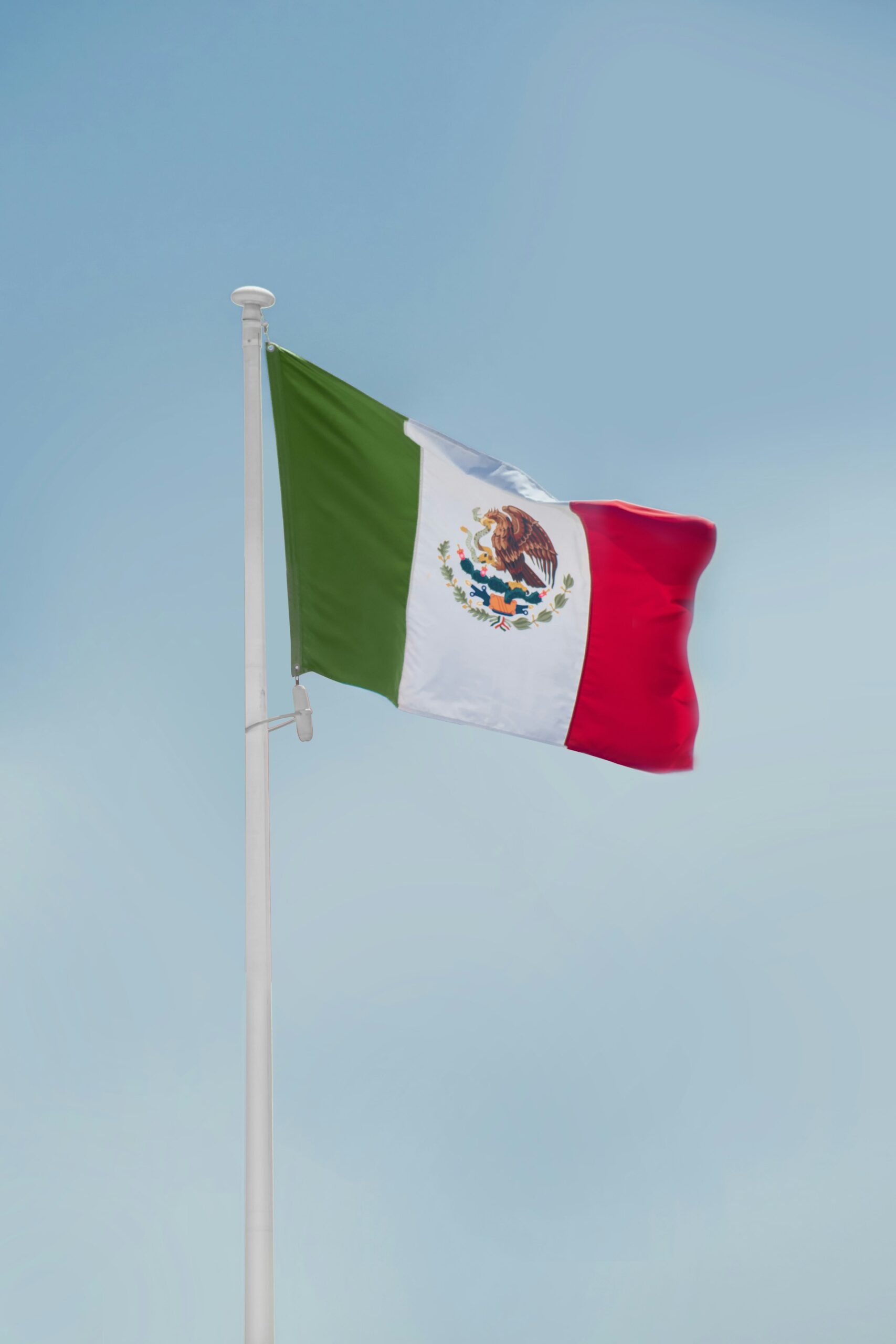
Photo by aboodi vesakaran on Unsplash

Introduction: The Evolving Landscape of Mexico Travel Advisories

Mexico remains a favorite destination for millions of travelers each year, offering vibrant culture, beautiful beaches, and world-renowned cuisine. However, safety concerns and travel advisories have become increasingly important for Americans and international visitors planning a trip. Understanding the current advisory landscape is essential for making informed decisions and ensuring a safe, enjoyable experience.

What Is the Current U.S. Travel Advisory for Mexico?

As of August 2025, the U.S. Department of State has issued a Level 2: Exercise Increased Caution advisory for most of Mexico, citing risks associated with terrorism, crime, and kidnapping. This means travelers are encouraged to remain vigilant and take enhanced precautions-especially when visiting certain regions or traveling at specific times [1] [2] [3] .

Article related image

Photo by stephan hinni on Unsplash

The advisory highlights several risks:

  • Violent crime , including homicide, kidnapping, carjacking, and robbery
  • Potential for terrorism , with attacks possible in public places such as tourist locations, airports, shopping malls, and hotels
  • Kidnapping and hostage-taking incidents, sometimes linked to dating apps or scams

The U.S. government notes its ability to assist American citizens may be limited in certain regions, particularly those categorized as high-risk. Travelers are urged to comply with local authorities, avoid isolated areas-particularly after dark-and stay informed about the latest developments in their destination [1] .

Mexico’s State-by-State Advisory System

Unlike in previous years, Mexico’s travel advisory is no longer issued as a blanket warning for the entire country. Instead, each of Mexico’s 32 states receives its own advisory level, ranging from Level 1 (exercise normal precautions) to Level 4 (do not travel). This nuanced approach allows travelers to make more informed decisions based on their specific itinerary:

  • Level 1 (Exercise Normal Precautions): Campeche, Yucatan
  • Level 2 (Exercise Increased Caution): Mexico City, Quintana Roo (including Cancun, Playa del Carmen, and Tulum), and most other states
  • Level 3 (Reconsider Travel): Baja California, Chiapas, Chihuahua, Coahuila, Guanajuato, Jalisco, Morelos, Sonora
  • Level 4 (Do Not Travel): Colima, Guerrero, Michoacán, Sinaloa, Tamaulipas, Zacatecas

Travelers should review the advisory for each state they intend to visit, as safety levels and risks can vary dramatically from one region to another [2] [3] .

How to Access and Interpret Official Travel Advisory Information

If you are planning travel to Mexico, you should always check the most current information from the U.S. Department of State. While there is no single advisory for the entire country, you can find detailed, up-to-date guidance for each state by searching for “U.S. State Department Mexico travel advisory” or visiting the official U.S. Department of State website. Once there, you can:

  • Navigate to the “Travel Advisories” section
  • Search for “Mexico” and select the specific state(s) you plan to visit
  • Review the risk indicators and recommended precautions for each area

For the most authoritative information, always rely on the official U.S. government site. If you are traveling from another country, consult your own government’s foreign affairs or travel advisory website for Mexico-specific guidance.

Practical Steps for Safe Travel in Mexico

Safety is a shared responsibility between travelers, local authorities, and the communities you visit. Here are actionable steps to help you manage risk and enjoy your trip:

  1. Consult the Latest State Advisories: Review current advisories for your destination states before booking and again before departure. Conditions can change rapidly.
  2. Register with the Smart Traveler Enrollment Program (STEP): This free service allows U.S. citizens to register their trip with the nearest U.S. Embassy or Consulate, making it easier to receive emergency updates and for officials to contact you in case of crisis. To enroll, search for “Smart Traveler Enrollment Program” on the State Department website.
  3. Stay in Well-Traveled Areas: Choose accommodations in reputable neighborhoods, avoid isolated regions, and refrain from venturing out alone-especially after dark.
  4. Follow Local Advice and Laws: If stopped by authorities or at a roadblock, comply with instructions. Attempting to resist or flee may result in serious consequences.
  5. Take Extra Care with Transportation: Use authorized taxis or ride-share services, arrange airport transfers in advance, and avoid driving at night when possible.
  6. Be Cautious Online: Avoid sharing travel plans publicly on social media and exercise care when using dating apps or unfamiliar platforms, as some incidents have been linked to scams and kidnappings.

By following these guidelines and remaining alert, you can significantly reduce your risk and respond quickly to unforeseen situations.

Case Studies: Adapting to Regional Risks in Mexico

Consider the example of travelers visiting Quintana Roo, home to Cancun and the Riviera Maya. The Level 2 advisory recommends increased caution but does not discourage travel outright. Most tourists report safe and enjoyable experiences when they remain in established resort zones, follow official advice, and avoid late-night excursions outside tourist areas. In contrast, those traveling to states with Level 3 or Level 4 advisories must weigh their plans more carefully, considering whether alternative destinations might offer a safer experience.

Travelers who registered with STEP during recent hurricane events in the Yucatan Peninsula received timely evacuation alerts and consular support, demonstrating the value of proactive planning and official notifications.

Potential Challenges and Solutions for Travelers

Travelers may encounter several challenges, such as:

  • Rapidly changing advisories: Conditions can shift due to political, social, or environmental factors. Check for updates regularly.
  • Language barriers: While English is common in tourist areas, learning basic Spanish phrases can help in emergencies or when dealing with authorities.
  • Limited access to emergency services: In high-risk or remote areas, U.S. government assistance may be restricted. Keep emergency contact information handy and know the location of the nearest consulate or embassy.

Solutions include staying connected to local news sources, using translation apps, and carrying a written copy of your itinerary and emergency numbers.

Alternatives and Additional Resources

If you are concerned about safety, consider alternatives such as traveling to states with Level 1 advisories or booking group tours with established operators. Many reputable travel companies offer guided itineraries that prioritize security and provide local expertise.

You can also connect with travel forums and review sites to read recent experiences from other travelers. While these accounts are anecdotal, they can offer valuable context on current conditions in specific locations.

Summary: Making an Informed Decision

While the U.S. Department of State’s advisory system may seem daunting, it is designed to equip travelers with the information needed to assess risk and plan accordingly. By reviewing state-specific advisories, registering with the STEP program, and practicing common-sense precautions, you can enjoy Mexico’s many attractions with greater peace of mind. If you need further guidance, contact your country’s embassy or consulate in Mexico for the latest information and support.

References

Luxury Eco Lodges and Sustainable Resorts: Indulge Responsibly in Paradise
Eco-Friendly Airlines and Carbon Offset Travel: Fly Green in 2024
Underwater Hotels and Marine Tourism: Dive into Unforgettable Ocean Adventures
Discover Slow Travel Destinations for Mindful Tourism: Immerse Yourself in Authentic Experiences
Mastering Your Travel Budget: Step-by-Step Planning for Stress-Free Adventures
Understanding the Latest Travel Advisory for Mexico: What Every Traveler Should Know
Expert Guidance: Where Should You Travel in 2025? Top Destinations, Trends, and Planning Tips
Step-by-Step Guide to Creating an Effective Travel Brochure
Essential Safety Guide for Travelers: Visiting Paris in 2025
Your Complete Guide to Traveling Between the Hawaiian Islands: Flights, Ferries, and More
How Much Internet Speed Do You Really Need for Gaming? A Practical Guide to Speeds, Usage, and Smooth Play
Finding the Optimal DPI for Gaming: A Complete Guide to Precision and Performance